Have you ever watched starlings building nests in your yard and wondered about their breeding cycle? Understanding how long does it take a starling to hatch and leave the nest helps bird watchers track these fascinating creatures through their complete life cycle. European starlings follow a predictable timeline from egg laying to fledging, making them excellent subjects for backyard bird observation.
Starlings are cavity nesters that complete their entire nesting process in about 4-5 weeks. From the moment eggs are laid until young birds take their first flight, these adaptable birds follow nature’s precise schedule. This timeline varies slightly based on weather conditions, food availability, and geographic location.
Key Takeaways
• Incubation period: Starling eggs hatch after 11-15 days of consistent incubation
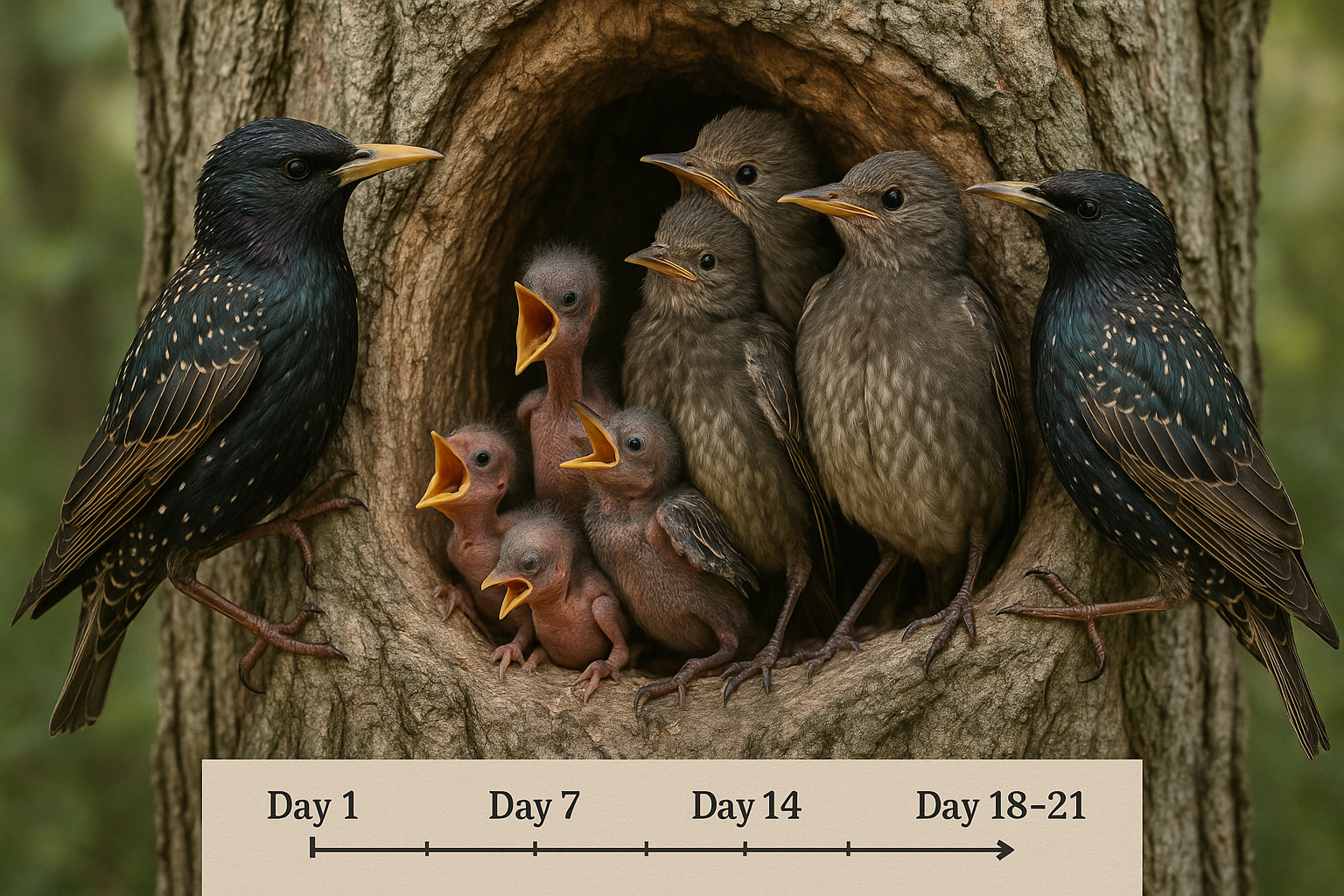
• Nestling phase: Young starlings remain in the nest for 18-21 days after hatching
• Total timeline: Complete process from egg laying to fledging takes 29-36 days
• Breeding season: Starlings typically have 2-3 broods per year from March through July
• Parental care: Both parents share feeding duties and continue care after fledging
The Complete Starling Nesting Timeline
Pre-Nesting Phase (7-14 Days)
Before eggs appear, starlings spend considerable time preparing their nesting site. Male starlings claim territories and begin building nests in March or April, depending on local climate conditions. They stuff cavities with grass, feathers, and debris to create a foundation.
Female starlings inspect multiple nest sites before choosing their preferred location. This selection process takes 3-7 days as females evaluate cavity size, entrance hole diameter, and protection from predators.
Nest Construction Details:
- Location: Tree cavities, nest boxes, building crevices
- Materials: Grass, twigs, feathers, paper scraps
- Cavity size: 6-8 inches deep, 4-6 inches wide
- Entrance hole: 1.5-2 inches diameter
Egg Laying and Incubation Period
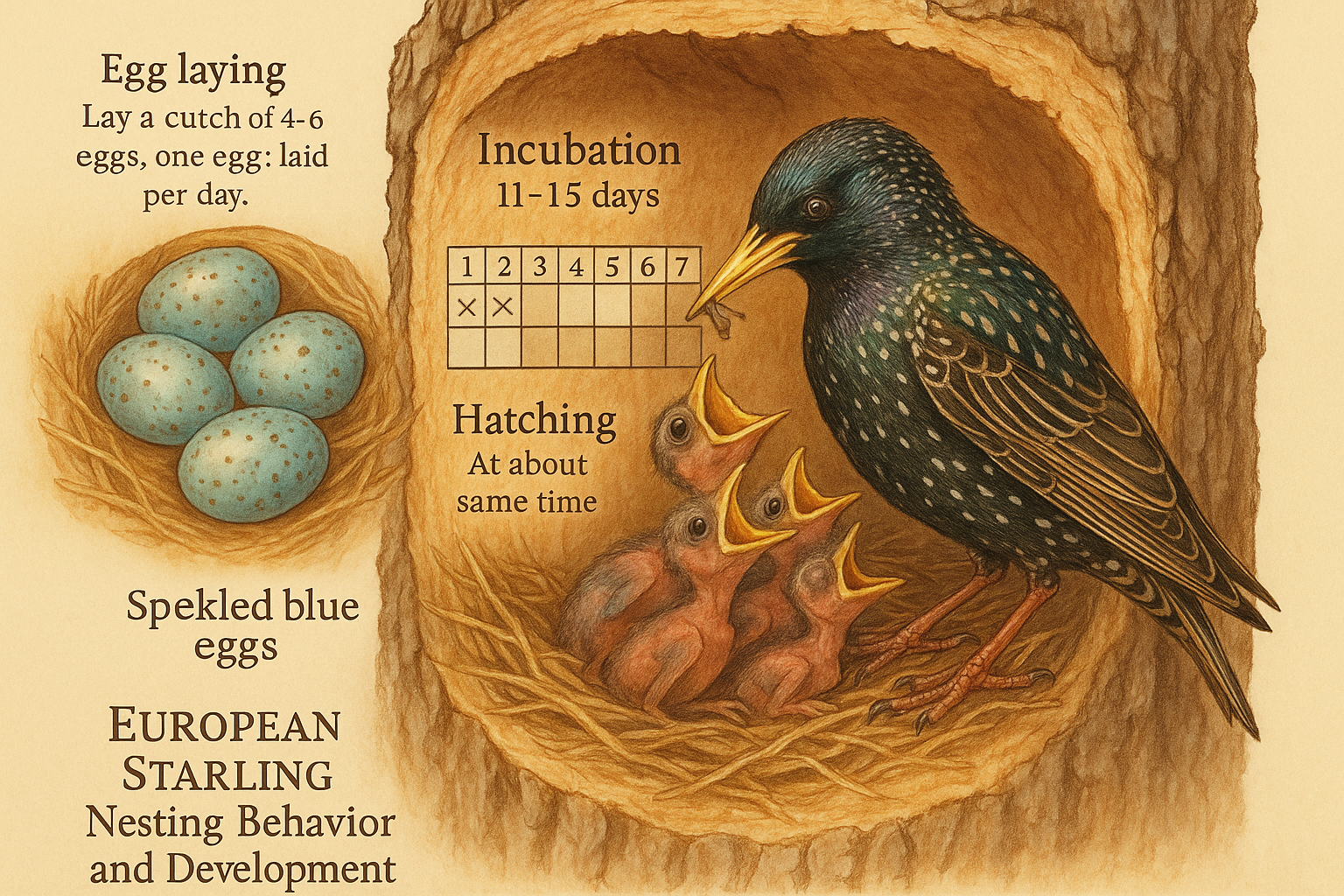
Female starlings lay 3-6 pale blue eggs over consecutive days. Each egg measures approximately 1.2 inches long and weighs about 0.2 ounces. The female begins incubation after laying the second or third egg, ensuring synchronized hatching.
How Long Does It Take A Starling To Hatch And Leave The Nest – Incubation Phase:
The incubation period lasts 11-15 days under normal conditions. Female starlings handle 80% of incubation duties, leaving the nest only for brief feeding breaks. Males occasionally take short incubation shifts, typically lasting 15-30 minutes.
Temperature plays a crucial role in hatching success. Eggs require consistent temperatures between 99-102°F. Cold snaps can extend incubation by 1-3 days, while unusually warm weather may accelerate the process slightly.
Factors Affecting Incubation Length:
- Weather conditions: Cold extends timeline, warmth accelerates it
- Parental experience: First-time breeders may take longer
- Nest insulation: Well-insulated nests maintain better temperatures
- Food availability: Well-fed females incubate more consistently
You can learn more about starling behavior and identification to better understand these remarkable birds.
Nestling Development and Growth Stages
Week 1: Helpless Hatchlings (Days 1-7)
Newly hatched starlings are completely dependent on their parents. These pink, featherless chicks weigh only 0.1-0.2 ounces and cannot regulate their body temperature. Their eyes remain closed for the first 6-7 days.
Daily Development Milestones:
- Day 1-2: Eyes closed, minimal movement
- Day 3-4: Increased begging response to parent calls
- Day 5-6: Pin feathers begin emerging
- Day 7: Eyes start opening, more active begging
Parents make 200-300 feeding trips daily during this critical period. Both adults hunt insects, worms, and larvae to provide the protein-rich diet necessary for rapid growth.
Week 2: Rapid Feather Development (Days 8-14)
The second week brings dramatic changes. Young starlings develop their first coat of gray-brown feathers and become more active in the nest. Their eyes open fully, and they begin recognizing parent calls.
Physical Changes:
- Weight: Increases from 0.2 to 1.5 ounces
- Feathers: Pin feathers break open, revealing gray plumage
- Behavior: More coordinated movement, stronger begging calls
- Thermoregulation: Beginning to maintain body temperature
Feeding frequency remains high, with parents delivering food every 3-5 minutes during daylight hours. The diet shifts to include more varied insects and occasional berries.
Week 3: Pre-Fledging Preparation (Days 15-21)
How Long Does It Take A Starling To Hatch And Leave The Nest – Final Nestling Phase:
During the final week before fledging, young starlings develop flight feathers and practice wing exercises. They become increasingly restless and may venture to the nest entrance.
Pre-Fledging Behaviors:
- Wing flapping: Strengthening flight muscles
- Perching practice: Gripping nest cavity edges
- Increased vocalizations: Learning adult calls
- Reduced parental brooding: Parents visit mainly for feeding
By day 18-21, nestlings reach adult size but retain juvenile plumage. Their tail feathers are shorter than adults, and their bills show less of the characteristic yellow coloring.
For more information about bird development, check out our guide on common backyard birds to compare starling development with other species.
When Young Starlings Leave The Nest
The Fledging Process
Young starlings typically fledge between days 18-21 after hatching. Fledging rarely happens all at once – usually one or two chicks leave first, followed by siblings over the next 1-2 days.
Signs of Imminent Fledging:
- Increased activity: Constant movement and wing flapping
- Nest entrance exploration: Chicks appear at cavity opening
- Reduced feeding: Parents may withhold food to encourage departure
- Stronger vocalizations: Loud calls between parents and young
The first flight is typically short and awkward. Young starlings may only travel 10-20 feet before landing clumsily on nearby branches or the ground.
Post-Fledging Care
How Long Does It Take A Starling To Hatch And Leave The Nest – Extended Parental Care:
Even after leaving the nest, young starlings require continued parental care for 1-2 weeks. Parents locate and feed their offspring while teaching essential survival skills.
Post-Fledging Timeline:
- Days 1-3: Fledglings stay within 50 yards of nest site
- Days 4-7: Gradually increase foraging range
- Days 8-14: Learn to find food independently
- Week 3+: Join juvenile flocks, become fully independent
During this vulnerable period, fledgling mortality can reach 40-60%. Predators, weather, and inexperience contribute to these losses.
If you’re interested in attracting birds to your yard safely, consider reading about flowers that attract birds for natural food sources.
Factors That Affect Starling Nesting Timeline
Environmental Conditions
Weather significantly impacts how long does it take a starling to hatch and leave the nest. Cool, wet springs can delay the entire process by 3-7 days, while warm, stable weather may accelerate development.
Weather Impact on Timeline:
- Temperature: Cold delays development, warmth accelerates it
- Rainfall: Heavy rains reduce insect availability
- Wind: Strong winds may delay fledging attempts
- Daylight hours: Longer days increase feeding opportunities
Food Availability
Abundant insect populations support faster chick growth and shorter nestling periods. During insect shortages, parents must work harder to find adequate protein, potentially extending the nestling phase by several days.
Optimal Food Sources:
- Insects: Beetles, caterpillars, flies, ants
- Larvae: Grubs and other soil-dwelling invertebrates
- Supplemental foods: Berries, seeds (for older nestlings)
- Urban food sources: Food scraps, pet food
Predation Pressure
High predation risk may cause early fledging, even if chicks aren’t fully developed. Conversely, safe nest sites allow normal development timelines.
Common Nest Predators:
- Mammals: Squirrels, raccoons, cats
- Birds: House sparrows, European starlings (competing adults)
- Reptiles: Snakes in southern regions
- Insects: Ants, wasps in some locations
Multiple Broods and Seasonal Patterns
Breeding Season Overview
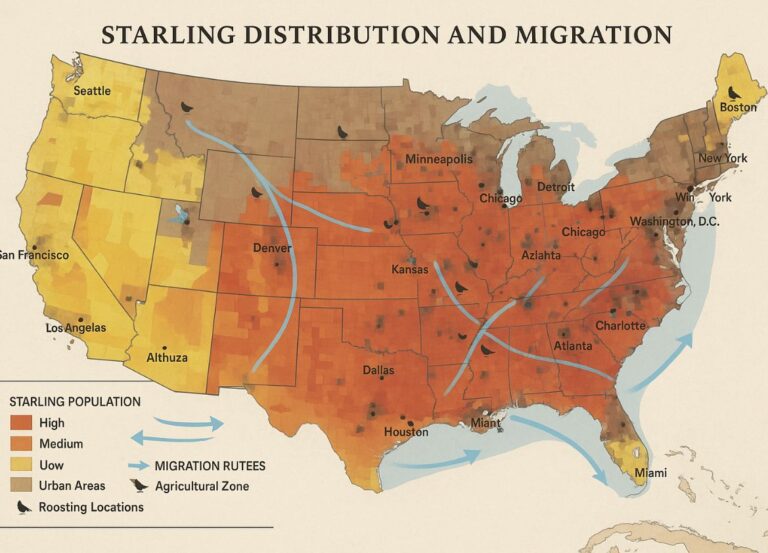
Starlings typically raise 2-3 broods per breeding season, which runs from March through July in most North American locations. Southern populations may start earlier and northern populations later.
Seasonal Breeding Pattern:
- First brood: March-May (peak activity)
- Second brood: May-July
- Third brood: June-August (less common)
- Nest site reuse: Same cavity often used for multiple broods
Time Between Broods
After successful fledging, adult starlings may begin a new nesting cycle within 7-14 days. This rapid turnaround allows multiple broods during the extended breeding season.
Factors Affecting Brood Frequency:
- Food abundance: More food supports additional broods
- Nest site availability: Limited cavities reduce breeding attempts
- Weather conditions: Poor weather delays subsequent nesting
- Parental condition: Healthy adults attempt more broods
For more insights into bird behavior patterns, explore our bird guides section for comprehensive species information.
Comparing Starling Timeline to Other Cavity Nesters
Similar Species Timelines
Understanding how starling development compares to other cavity-nesting birds provides valuable context for bird watchers.
| Species | Incubation Period | Nestling Period | Total Timeline |
|---|---|---|---|
| European Starling | 11-15 days | 18-21 days | 29-36 days |
| House Sparrow | 10-14 days | 14-17 days | 24-31 days |
| Eastern Bluebird | 11-14 days | 16-21 days | 27-35 days |
| Tree Swallow | 13-16 days | 18-22 days | 31-38 days |
| House Wren | 12-15 days | 15-17 days | 27-32 days |
Unique Starling Characteristics
Starlings show several distinctive nesting behaviors that differentiate them from other cavity nesters:
Distinctive Features:
- Nest decoration: Males add green vegetation throughout nesting
- Synchronous hatching: Most eggs hatch within 24 hours
- Rapid growth: Among the fastest-growing songbird chicks
- Extended post-fledging care: Longer than many similar-sized species
Monitoring Starling Nests Safely
Observation Guidelines
Watching starling nests provides excellent learning opportunities, but requires careful attention to avoid disturbing the birds.
Safe Monitoring Practices:
- Distance: Observe from at least 15-20 feet away
- Timing: Avoid peak feeding times (early morning, evening)
- Duration: Limit observation sessions to 10-15 minutes
- Frequency: Check nests no more than every 2-3 days
Recording Development
Keeping detailed records helps track how long does it take a starling to hatch and leave the nest in your specific area.
Useful Data to Record:
- Egg laying dates: First and last eggs laid
- Incubation start: When consistent sitting begins
- Hatching dates: Individual chick emergence
- Fledging dates: When each chick leaves the nest
- Weather conditions: Temperature, precipitation, wind
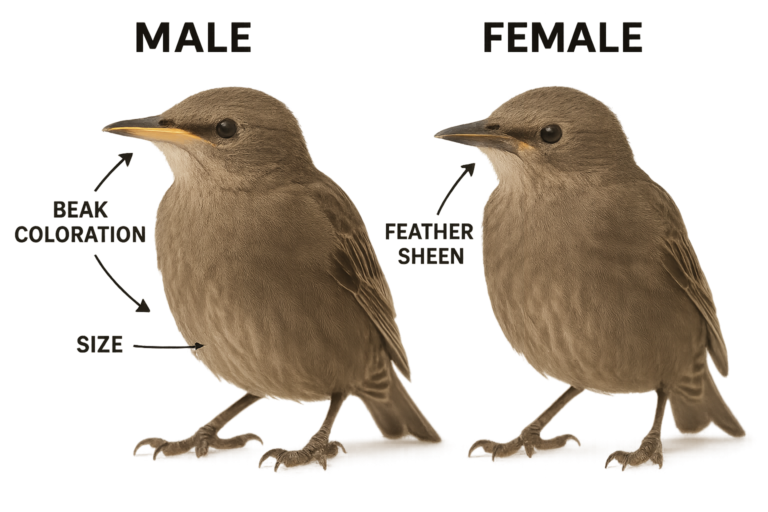
Learn more about identifying male and female starlings to better understand the roles of each parent.
Supporting Starling Families in Your Yard
Providing Nest Sites
While starlings often use natural cavities, you can support local populations by providing appropriate nest boxes.
Nest Box Specifications:
- Floor size: 5″ x 5″ minimum
- Height: 6-8 inches deep
- Entrance hole: 1.5-2 inches diameter
- Mounting height: 5-15 feet above ground
Food and Water Sources
Supporting starling families requires understanding their dietary needs throughout the nesting cycle.
Helpful Yard Features:
- Insect habitat: Compost areas, leaf litter, fallen logs
- Water sources: Shallow dishes, dripping water features
- Native plants: Berry-producing shrubs for late summer
- Lawn areas: Short grass for ground foraging
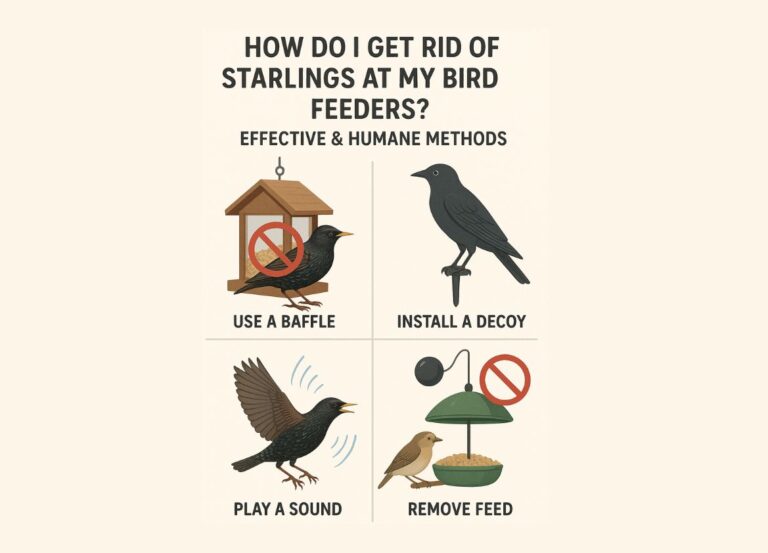
However, some people prefer to manage starling populations. If you’re dealing with too many starlings at feeders, check out our guide on getting rid of starlings at bird feeders.
Conclusion
Understanding how long does it take a starling to hatch and leave the nest reveals the remarkable efficiency of these adaptable birds. From the 11-15 day incubation period through the 18-21 day nestling phase, starlings complete their entire nesting cycle in just 4-5 weeks under normal conditions.
This rapid timeline allows starlings to raise multiple broods per season, contributing to their success as one of North America’s most widespread bird species. Weather, food availability, and predation pressure can influence these timeframes, but starlings consistently demonstrate their ability to adapt to changing conditions.
Key Action Steps for Bird Watchers:
- Monitor local starling activity starting in March to track breeding cycles
- Provide appropriate habitat with native plants and water sources
- Record observations to understand regional variations in timing
- Practice safe monitoring to avoid disturbing nesting birds
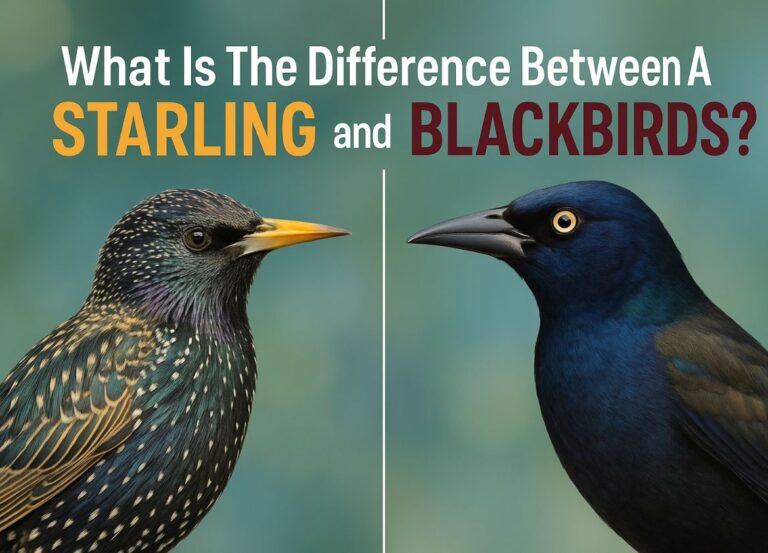
- Learn identification skills to distinguish starlings from similar species
Whether you’re a beginning bird watcher or experienced naturalist, observing starling nesting behavior provides valuable insights into avian biology and adaptation. By understanding their timeline and needs, you can better appreciate these remarkable birds and their role in local ecosystems.
For more bird-related content and guides, visit our main blog section to expand your birding knowledge.
Meta Title: How Long Does It Take A Starling To Hatch And Leave The Nest
Meta Description: Learn the complete starling nesting timeline from egg laying to fledging. Discover incubation periods, nestling development, and factors affecting starling reproduction cycles.