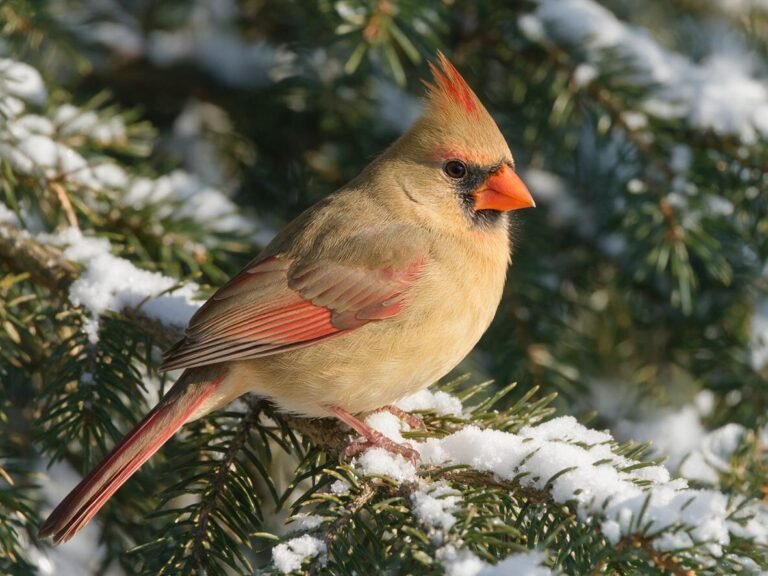
Do cardinals migrate? For the most part, no. Northern Cardinals are year-round residents across their range, which means the same birds usually stay in one area through winter. Some cardinals do appear to move, but those movements are mostly young birds dispersing from where they hatched, not seasonal trips south. This guide explains what the research shows, why some cardinals seem to come and go, and how to keep cardinals in your yard all year.
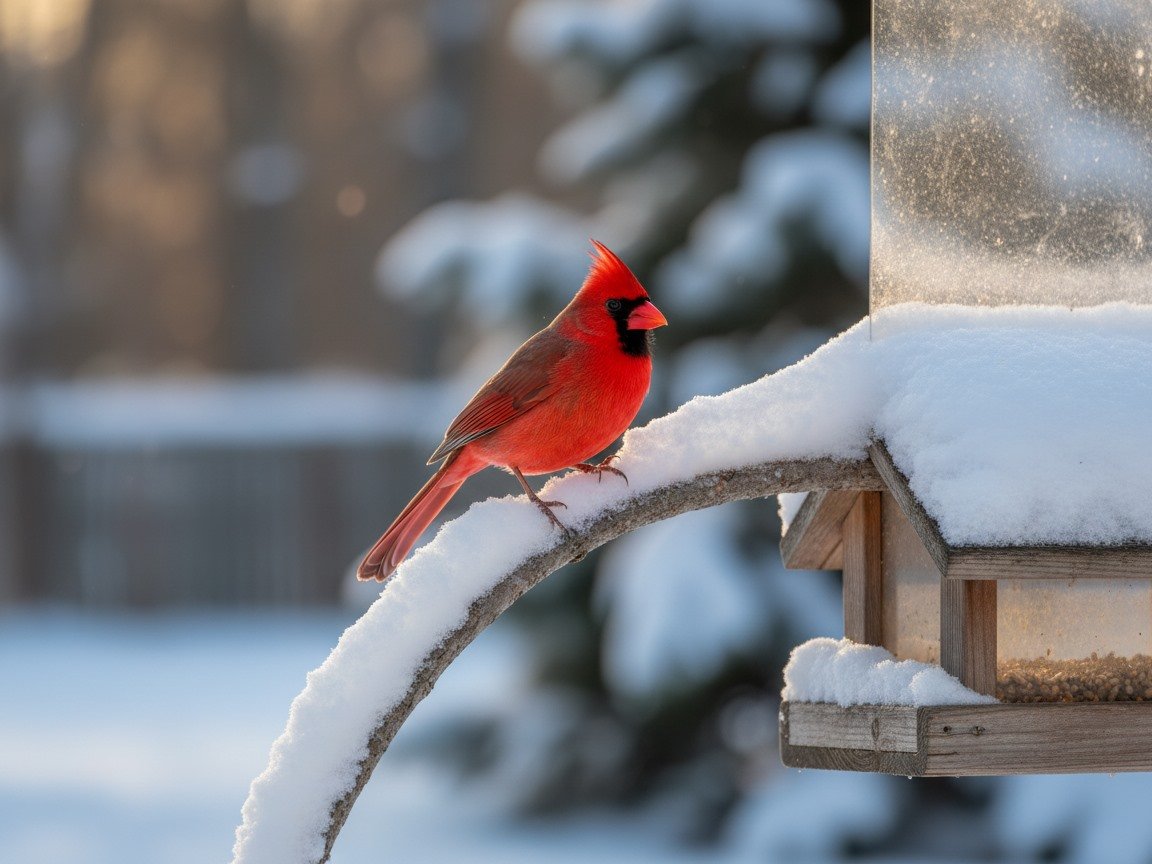
Do Cardinals Migrate? The Short Answer
Northern Cardinals do not make regular seasonal migrations. The Birds of the World species account, a comprehensive reference from the Cornell Lab of Ornithology, describes the species as a year-round resident throughout its range, with no conclusive evidence of migration. In other words, a cardinal that nests in your yard in spring is usually still in the same general area in January.
When people ask, do cardinals migrate like other backyard birds, the answer is usually no. That surprises many people, because most songbirds in cold regions do leave for the winter. Warblers, swallows, and many thrushes travel hundreds or thousands of miles each year. Cardinals take a different approach. They rely on seeds, fruit, and dense shrubs that remain available through the cold months, and they handle winter in their home territory.
What Year-Round Resident Means for Cardinals
A year-round resident is a bird that lives in the same region in every season. It may move short distances to find food or shelter, but it does not travel to a separate wintering area. This is different from a migrant, which spends the winter in a distinct location, often far from its breeding grounds.
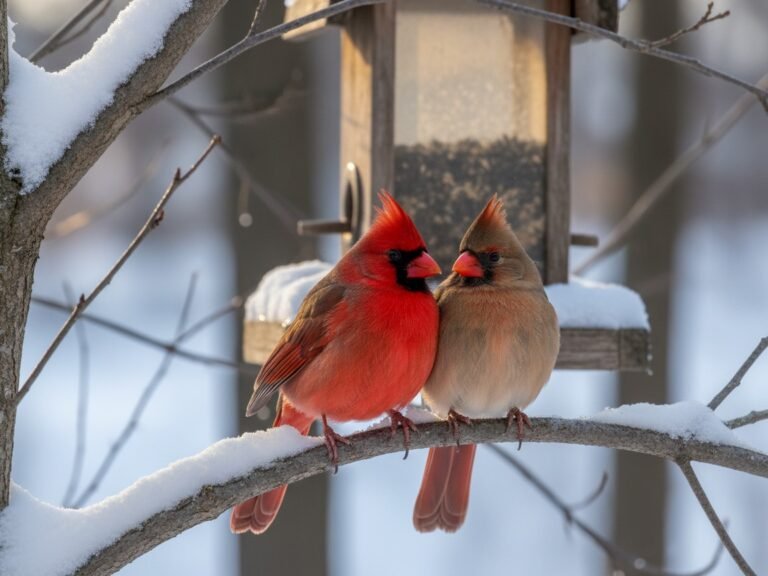
For Northern Cardinals, staying put has clear advantages. Pairs defend territories and keep track of reliable food sources, such as feeders and winter-fruiting shrubs. A bird that leaves its territory risks losing these resources, so most adults stay where they are. Their red plumage is also more visible in winter, which is one reason many people notice them most during the cold season.
Residents still move, though. Birds may shift to find food when snow covers the ground, or join small winter flocks that roam through hedges and woodland edges. These local movements can look like migration from a backyard window, but they usually cover a limited area.
Why Some Cardinals Seem to Move
Do cardinals migrate, or is something else going on?
If cardinals do not migrate, why does it sometimes look like they do? The main answer is juvenile dispersal. After young birds leave the nest, they stay near their natal range for a while, then spread out to find their own territories. Birds of the World notes that fledglings typically stay near the nest site for 35 to 55 days before they begin to disperse.
Banding studies support this pattern. According to the Birds of the World account, about 12.5 percent of banded cardinals were recovered outside their original 10-minute block of territory. Young birds moved more often than adults, at about 13.7 percent compared with 8.9 percent. Dispersal is a normal part of growing up, and it can make a neighborhood look like it has new birds for a few weeks.
Transient influxes add to the effect. In parts of the Midwest and Northeast, including Ohio, West Virginia, Maryland, and Ontario, cardinal numbers can rise briefly in spring, usually around March, and again in fall, around October and November. These groups are often temporary visitors moving through an area rather than permanent arrivals. Weather, food supply, and the timing of feeder use can all make these changes more or less noticeable from one year to the next.
Birders also see changes simply because birds become easier or harder to spot. Cardinals are more visible when leaves are off the trees and when they gather at feeders in winter. A bird that was quiet in the thick summer foliage can seem to appear overnight in January.
The Florida Tower Study: What 54 Dead Cardinals Tell Us
One of the most cited pieces of evidence for cardinal movement comes from a 25-year study at a television tower in Leon County, in north-central Florida. Researchers found 54 Northern Cardinals killed at the tower over that period. Twenty-nine were found in spring, between March and May, and 25 were found in fall, between September and December.
The timing looked suspicious to some researchers, who suggested the kills might indicate migratory behavior. However, the original researcher, Crawford in 1981, attributed the deaths to chance and did not draw a migration conclusion. A later review by Stevenson and Anderson in 1994 suggested migratory behavior but offered no new evidence of migration. The study is a good example of how a pattern in the data can be read in more than one way, and why scientists often look for stronger evidence before drawing firm conclusions.
For a backyard birder, the takeaway is simple. The tower study does not show that cardinals travel to a wintering area. It shows that some birds are on the move during certain seasons, and that the reasons remain uncertain.
How Far Do Cardinals Travel?
Long-distance movement is rare, and it is the main reason people ask whether do cardinals migrate far from home. Birds of the World describes one well-known example: a cardinal banded in South Carolina in March 1970 was recovered in Quebec about 1,800 kilometers to the north, 23 months later. The account calls movements of this kind exceptional. It is an interesting record, but it does not describe typical behavior for the species.
Most cardinals spend their lives within a small area. Banding data show that many birds stay close to where they hatched or where they set up a territory, and they keep returning to the same feeders and hedges year after year.
How Cardinals Get Through Winter
Do cardinals migrate when food runs low?
They do not leave for better food. Cardinals handle lean periods by shifting their diet and visiting the nearest reliable food source, which is often a feeder. Because the species is a resident, its survival depends on food, cover, and water close to home.
Since cardinals stay put, their winter survival depends on food, cover, and water. Seeds and fruit are the main winter foods, and many cardinals switch to a diet that includes more seeds once insects are scarce. Feeders offer an easy source of seed when natural food is covered by snow.
Shelter matters just as much. Cardinals often roost in dense evergreens, tangled vines, and thick shrubs, which block wind and provide protection from predators. A yard with a mix of native shrubs and evergreens gives birds both food and a safe place to sleep through cold nights.
Water can be hard to find in winter, so a heated bird bath or a shallow dish that is refreshed often can make a real difference. Keeping feeders clean also helps prevent illness that can spread when birds crowd together.
Many people also wonder whether cardinals gather in groups during the coldest months. Small winter flocks do form, often made up of a mix of adults and young birds that feed together along hedges and woodland edges. These flocks are one reason a feeder can suddenly seem busy. They do not signal a seasonal trip, and the birds usually settle back into their home territories when conditions improve.
How to Keep Cardinals in Your Yard All Year
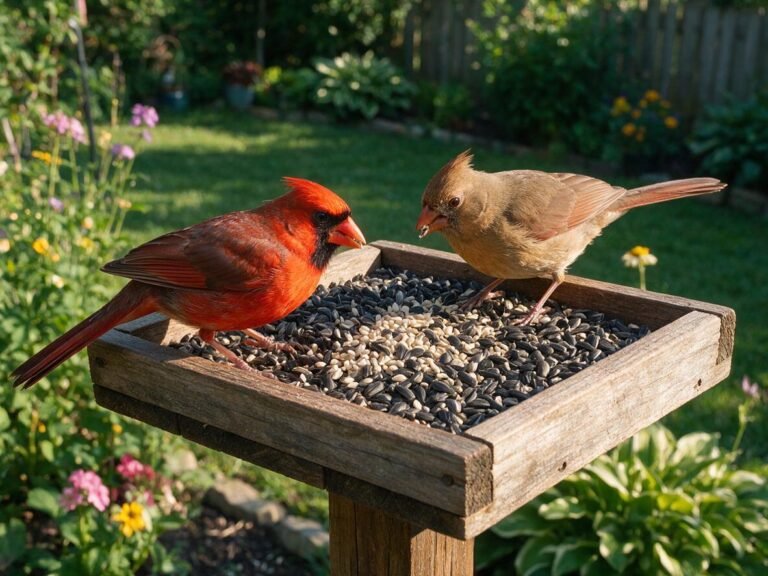
Because cardinals are residents, a consistent yard can keep the same pair around for many seasons. Platform feeders and hopper feeders stocked with black oil sunflower seeds or safflower seeds are popular choices. Cardinals also use feeders as a reliable source of food during the breeding season, when parents need extra energy to raise their young. For a full breakdown of feeder options, read our guide to the best seeds for cardinals.
Plants help too. Dense shrubs, berry-producing plants, and evergreens give cardinals nesting sites in spring and cover in winter. Placing feeders a short distance from shrubs gives birds a quick escape route while keeping them close enough to enjoy from a window.
Frequently Asked Questions
Do cardinals migrate south for the winter?
No. Northern Cardinals are year-round residents and do not normally travel south for the winter. Most adults stay within their home territory, and the species is not known for regular seasonal migration.
Why do I see more cardinals in winter?
Cardinals are easier to see in winter because leaves are off the trees and birds gather at feeders. Small winter flocks and young birds that have dispersed can also make a yard look busier than usual.
Do male and female cardinals migrate differently?
Neither sex makes regular seasonal migrations. Males and females both stay in their home range as year-round residents. Young birds of either sex are more likely to disperse before they settle into a territory.
Where do cardinals go when it snows?
Cardinals usually stay in their territory and move short distances to find food and shelter. Feeders, dense evergreens, and thick shrubs help them get through snowy weather without leaving the area.
So, Do Cardinals Migrate? In Most Cases, No
Do cardinals migrate? In the usual sense, no. Northern Cardinals are year-round residents, and the birds you see in your yard in summer are often the same ones you see in winter. Movements do happen, mostly from dispersing young birds and seasonal shifts in local numbers, but these are not long seasonal migrations. A well-stocked feeder, a few dense shrubs, and fresh water go a long way toward keeping cardinals close all year.