The best seeds for cardinals are black oil sunflower seeds and safflower seeds, both of which cater perfectly to the Northern Cardinal’s (Cardinalis cardinalis) heavy, cone-shaped bill and high-energy dietary needs. While cardinals will sample a variety of backyard offerings, providing nutritious seeds rich in fats and proteins ensures these beloved redbirds visit your feeding stations consistently from the coldest days of winter through the peak of spring nesting season.
Because cardinals are equipped with powerful jaw musculature capable of cracking tough seed coats, they naturally bypass tiny seeds in favor of hearty, calorie-dense options. Choosing the best seeds for cardinals not only keeps your resident pairs healthy and vibrant but also helps deter aggressive nuisance birds like starlings and grackles from overwhelming your backyard feeders.
The Top 5 Best Seeds for Cardinals Ranked by Nutritional Value
Ornithologists and field biologists have extensively analyzed the feeding preferences of Northern Cardinals. When stocking your feeders, these five seeds offer the greatest nutritional return and visual attraction:
1. Black Oil Sunflower: The Crown Jewel of Cardinal Feeding
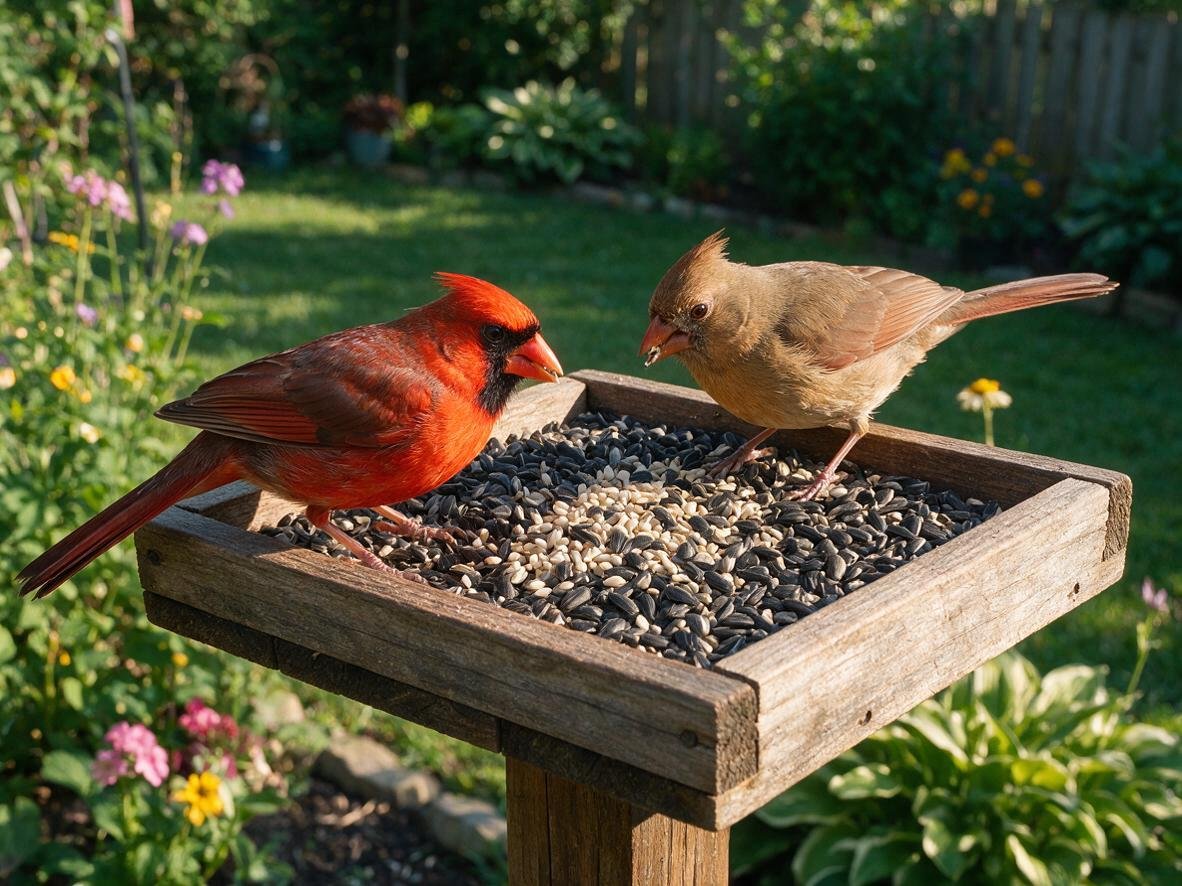
If you could only choose a single food, black oil sunflower seeds are universally recognized as the best seeds for cardinals. Unlike striped sunflower seeds, black oil varieties have a significantly thinner shell, allowing cardinals to crack them open in fractions of a second with a gentle flick of the mandible.
More importantly, the kernel inside black oil sunflower contains an exceptionally high concentration of essential oils, fats, and raw calories. During harsh winter months, when songbirds must consume up to 30% of their body weight daily just to maintain their internal body temperature overnight, black oil sunflower provides the concentrated fuel cardinals need to survive sub-zero mornings.
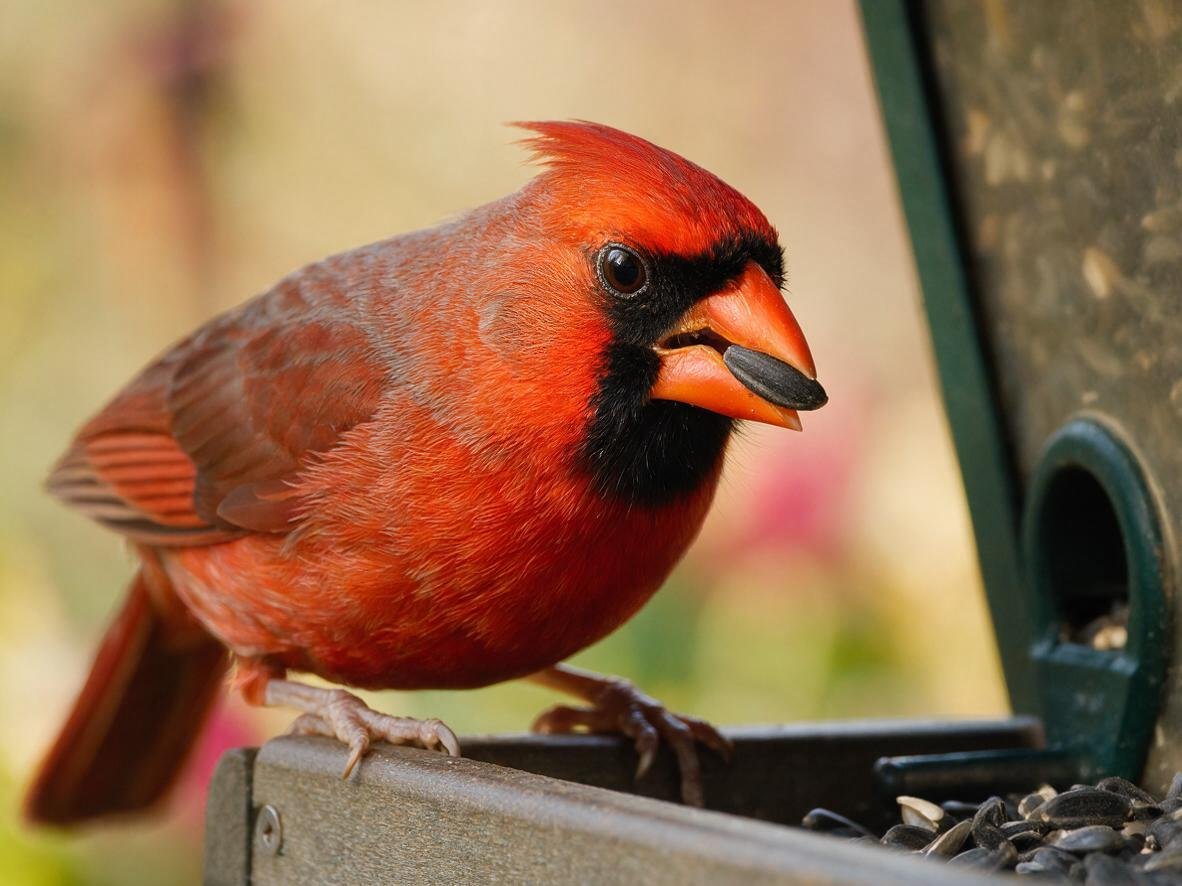
2. Safflower Seeds: The Secret Weapon Against Squirrels and Bully Birds
While black oil sunflower attracts cardinals in droves, it also attracts unwanted feeder bandits such as gray squirrels, common grackles, and European Starlings. If your feeders are frequently overrun, white safflower seeds rank among the best seeds for cardinals because of their natural pest-repellent qualities.
Safflower seeds have a tough, white, angular outer shell and a slightly bitter internal flavor. While a cardinal’s powerful bill slices through the shell with ease, mammals like squirrels and soft-billed flock birds like starlings dislike the bitter taste and lack the jaw strength to break the hull. As detailed in our guide on which bird is bigger starling or cardinal, starlings possess slender probing bills that cannot crush hard safflower kernels, providing a foolproof way for preventing starlings from taking over your bird feeders.
Cheap Seed Blends to Avoid at All Costs
Many commercial bird seed bags sold in supermarkets are loaded with cheap filler ingredients that cardinals refuse to eat. When shopping for the best seeds for cardinals, always read the ingredient label and avoid mixes containing:
- Milo (Sorghum): Large, reddish-brown round seeds that cardinals almost never eat. Cardinals will vigorously sweep milo onto the ground with their beaks to search for sunflower seeds beneath.
- Red Millet & Oats: Inexpensive filler grains that rot quickly in damp weather and attract pigeons or rodents.
- Wheat & Cracked Corn Byproducts: While wild turkeys and ducks enjoy corn, cardinals rarely touch coarse corn kernels unless other high-fat seeds are completely unavailable.
Investing in pure black oil sunflower or pure safflower saves money in the long run because virtually 100% of the seed is consumed rather than tossed onto the soil to sprout weeds.
Matching the Best Seeds with the Right Feeder Styles
Offering the best seeds for cardinals will only succeed if the feeder design accommodates the cardinal’s physical build. Unlike agile chickadees or goldfinches, cardinals weigh roughly 45 grams, measure 8 to 9 inches long, and have rigid ankle joints that make clinging to small, swinging perches uncomfortable.
To ensure visiting pairs feed comfortably, utilize these cardinal-friendly feeder styles:
- Wooden Hopper Feeders: Traditional house-style hopper feeders feature a roof to keep seed dry and wide wooden ledges along both sides. Cardinals love standing on these flat ledges while cracking seeds.
- Open Platform and Tray Feeders: Large hanging or post-mounted tray feeders provide maximum room for pairs to feed together. When admiring a female cardinal picture on a garden tray, you can see how flat perches allow both birds to scan for predators while dining.
- Tube Feeders with Seed Catchers: If you use a cylindrical tube feeder, always attach a wide plastic seed catcher tray beneath the base to create a comfortable landing platform.
Cardinal Feeding Schedule: When Do They Eat?
Cardinals operate on a distinct daily routine that sets them apart from midday visitors like finches and sparrows. Cardinals are crepuscular feeders, meaning they are consistently the very first birds to arrive at your feeders at the crack of dawn and the absolute last birds to feed in the dim twilight before sunset.
Because their large dark eyes are adapted to low-light foraging, stocking your feeding trays the night before ensures your resident pairs find fresh food the moment they emerge from their evergreen roosts. Pairing fresh seed with nearby shrubbery and the best flowers to attract birds creates a natural sanctuary that supports cardinals across all four seasons.
Frequently Asked Questions About Cardinal Seeds
What is a cardinal’s absolute favorite food?
Black oil sunflower seeds are a Northern Cardinal’s favorite food. Their high oil content, tender meaty kernel, and thin outer hull make them the most rewarding seed available in North America.
Do cardinals like safflower seeds?
Yes, cardinals readily eat safflower seeds. While other birds and squirrels avoid safflower because of its bitter taste and thick hull, cardinals have the jaw strength to crack the shell effortlessly.
Can cardinals eat whole peanuts?
Cardinals enjoy shelled peanuts and chopped peanut pieces. While they occasionally crack thin-shelled whole peanuts, providing shelled peanut hearts is much easier for them to consume and delivers instant protein.
Why do cardinals throw seed on the ground?
Cardinals toss seed on the ground when their feeder contains cheap filler grains like milo, oats, or wheat. They use their beaks to flick unwanted filler aside in order to reach the sunflower and safflower seeds buried underneath.
Final Thoughts on Feeding Northern Cardinals
Providing the best seeds for cardinals transforms your backyard into a reliable haven for North America’s most recognizable songbird. By serving high-fat black oil sunflower seeds, squirrel-resistant white safflower, and rich peanut hearts on spacious platform or hopper feeders, you will reward resident cardinal pairs with the vital energy they need to thrive through every season. Keep your feeders clean, stock them before daybreak, and enjoy the stunning spectacle of brilliant red cardinals brightening your garden year after year.
Authoritative Field References & Nutritional Data:
- Cornell Lab of Ornithology (Project FeederWatch): Seed and Feeder Preference Guide for Northern Cardinals.
- National Audubon Society: Guide to Bird Feeding and Backyard Seed Selection.
- Wild Bird Feeding Institute (WBFI): Nutritional Analysis of Oil Seeds and Grains.