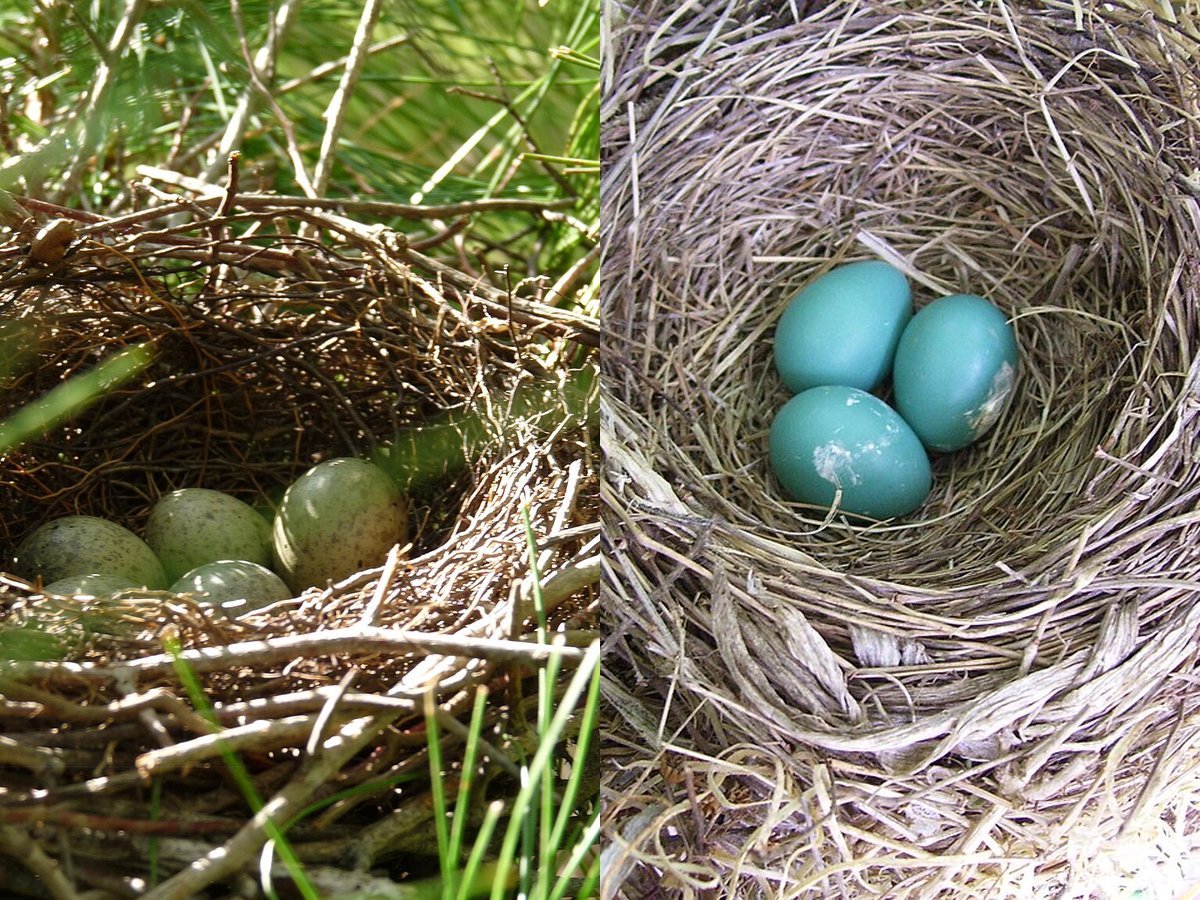
Blue jay eggs vs robin eggs is one of the most common identification questions for a nest found in a backyard or a tree. The fastest test is the markings. A robin egg is plain blue with no spots, while a blue jay egg is speckled with darker brown and gray spots. Color and size help too, but they overlap more than most people expect.
Key Differences at a Glance
Audubon’s egg guide lists similar sizes for the two species, so no single feature settles the question. Check these four clues in order:
- Markings: Robin eggs have no marks or spots. Blue jay eggs are speckled with darker brown and gray spots.
- Color: A robin egg is the bright aqua known as “robin’s-egg blue.” Blue jay eggs can look greenish, bluish, or light brown.
- Size: Robin eggs measure about 1.1 to 1.2 inches long. Blue jay eggs measure about 1.0 to 1.3 inches, so size is a weak clue.
- Nest: Blue jays build open-cup nests in the crotch of a tree or on a thick branch. Robins build cup-shaped nests.
What Do Robin Eggs Look Like?
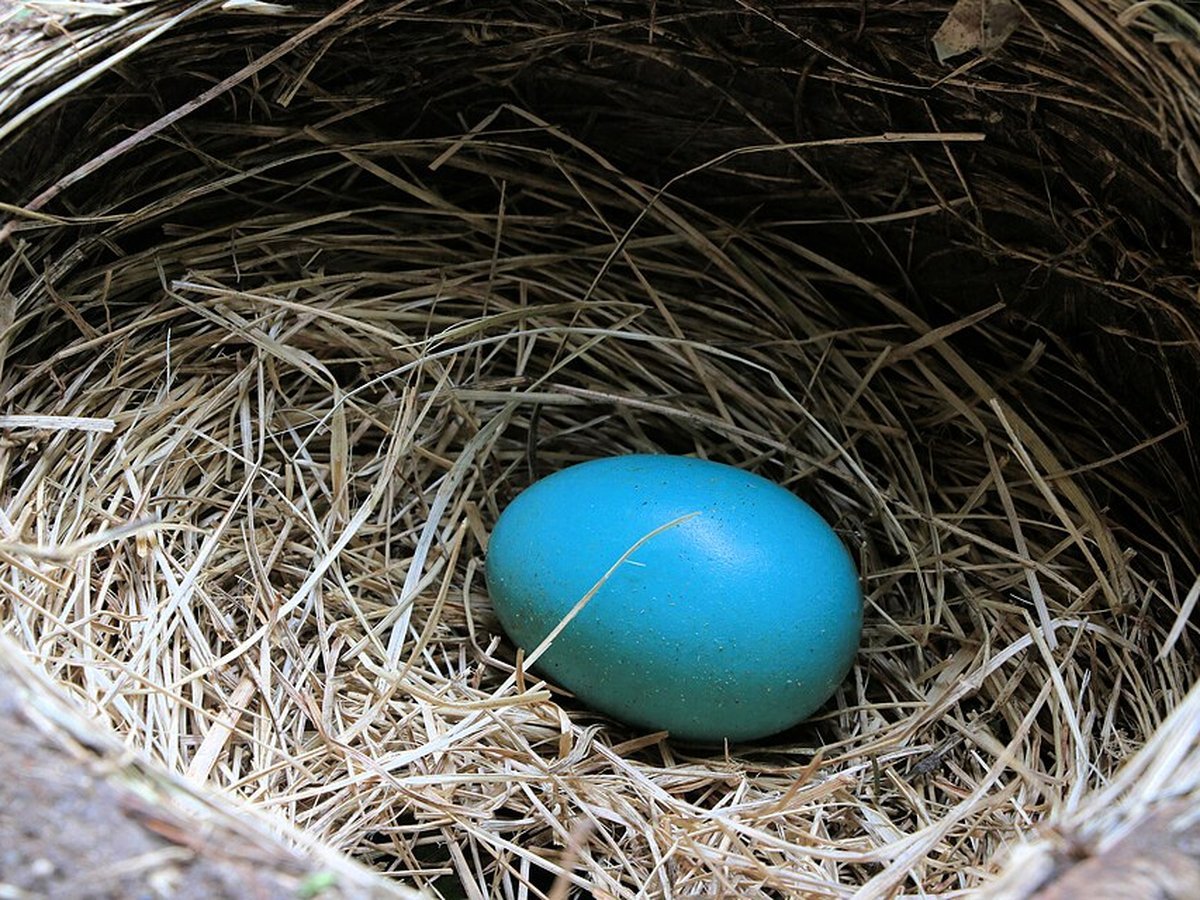
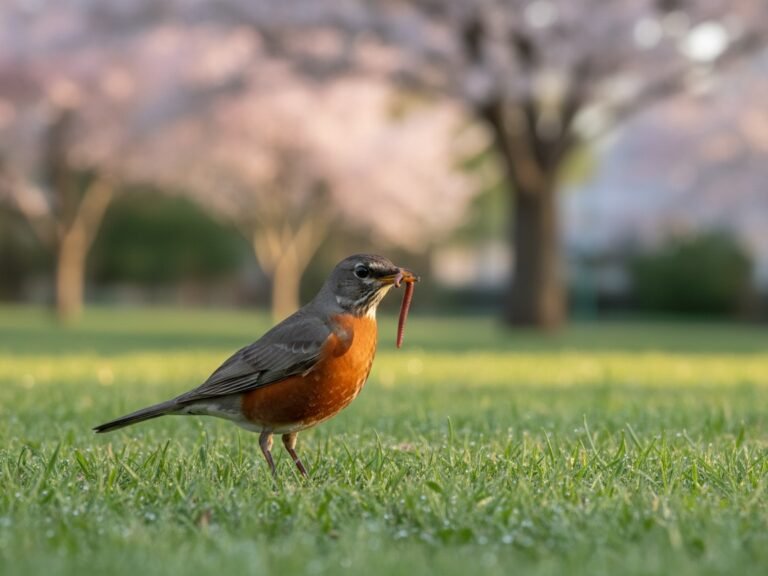
The bright aqua of a robin egg is known as “robin’s-egg blue,” a name Audubon says has become its own reference. Audubon describes the hue and advises looking for a handful of blue eggs with no marks or spots in a cup-shaped nest. A typical robin clutch is four eggs, though it can range from three to seven.
Robins build a new nest for each brood. They normally raise two or three broods during a breeding season, which runs from April to July. Wikipedia notes that in northern areas, the first nest is usually in an evergreen tree or shrub, and later broods are raised in deciduous trees.
What Do Blue Jay Eggs Look Like?
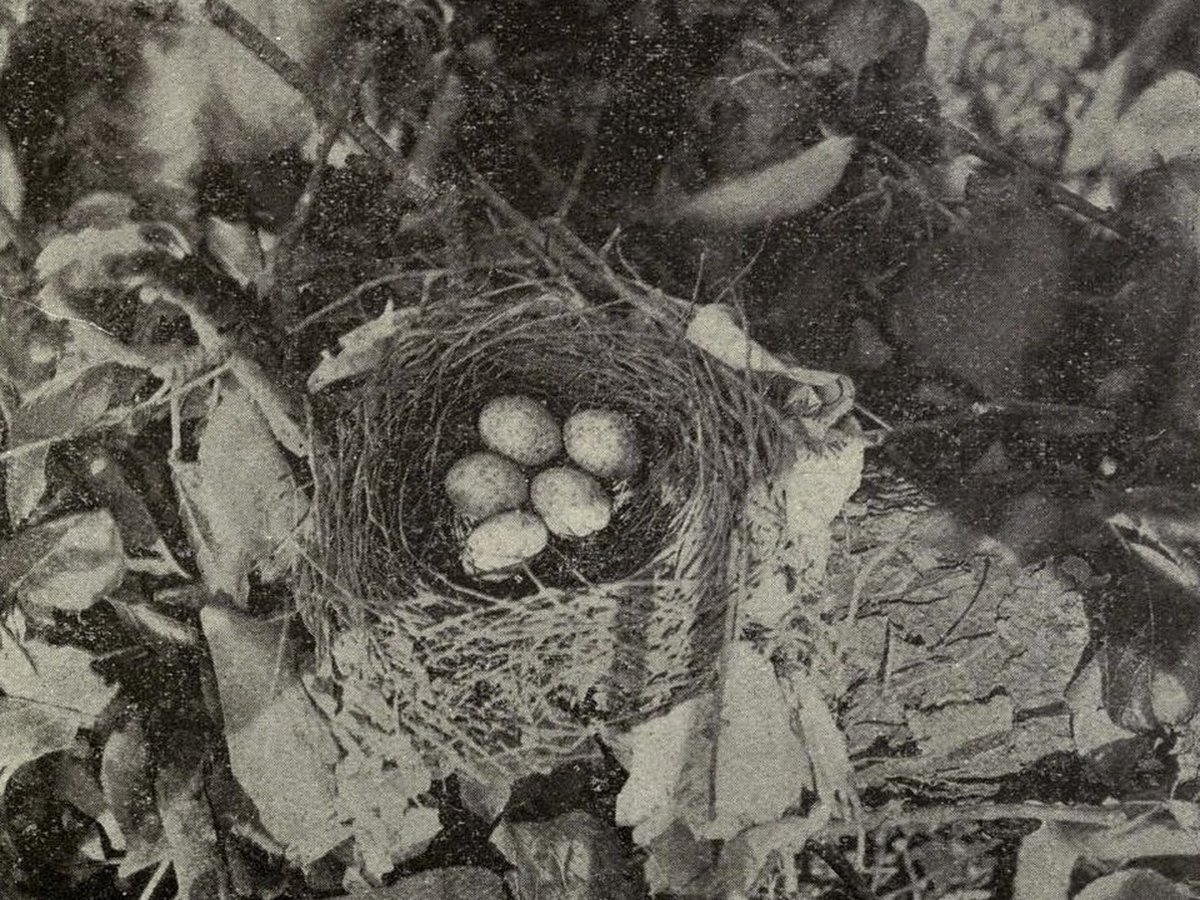
Blue jay eggs are not solid blue. Wikipedia describes them as bluish or light brown with darker brown spots, and Audubon adds greenish and gray spots to the list. The pattern is the first thing to check. Audubon’s field guide gives a usual clutch of four or five eggs, sometimes three to seven.
How Long Do the Eggs Take to Hatch?
Both species incubate their eggs, but the time and the parents’ roles differ. These are the main timing facts:
- Robin incubation: about 12 to 14 days, done by the female.
- Blue jay incubation: about 16 to 18 days, shared by both parents, with the female doing more of the work.
- Blue jay fledging: young usually leave the nest 17 to 21 days after hatching.
- Robin broods: two or three per breeding season.
Side-by-Side Comparison Table
The table puts the key differences side by side. Measurements and clutch sizes come from Audubon, and the other details come from Wikipedia.
| Feature | Robin egg | Blue jay egg |
|---|---|---|
| Color | Bright aqua, “robin’s-egg blue” | Greenish, bluish, or light brown |
| Markings | None | Speckled with darker brown and gray spots |
| Length | 1.1 to 1.2 in | 1.0 to 1.3 in |
| Usual clutch | 4 (sometimes 3 to 7) | 4 to 5 (sometimes 3 to 7) |
| Incubation | 12 to 14 days, female | 16 to 18 days, both parents |
| Nest | Cup-shaped | Open cup in a tree crotch or on a thick branch |
Other Eggs That Get Confused With These
Several other eggs share a blue or pale tint, and size is the easiest way to separate them from a robin’s egg:
- Eastern Bluebird: light powder blue with no marks, about 0.7 to 0.9 inches long. Audubon notes they are often found in nest boxes or tree cavities.
- House Finch: light blue or whitish, often with black and lavender dots toward the wider end. About 0.6 to 0.8 inches long.
- Mourning Dove: plain white with no markings, about 1.0 inch long or more. A white egg is a useful reminder that not every egg on this list is blue.
An unmarked egg that is clearly smaller than a robin’s is more likely a bluebird’s than a robin’s, and a spotted egg rules out a robin.
Why Color Alone Can Mislead
Color is the first thing most people notice, and it is the least reliable clue on its own. Blue jay eggs can look bluish, so a blue egg does not rule out a blue jay. Markings settle most cases. Look for speckles first, then compare the color, and then check the nest. If the eggs are speckled, the robin is ruled out even when the color looks right.
What to Do If You Find Eggs
Leave eggs and nests where they are. Wikipedia reports that the Migratory Bird Treaty Act of 1918 protects bird eggs and nests and prohibits removing them. Audubon also advises watching nests from a safe distance so adults are not disturbed while they incubate or feed chicks.
Quick Checklist for Identifying a Bird Egg
- Look for speckles. Brown or gray spots point to a blue jay.
- Check the color. A plain, bright aqua egg points to a robin.
- Count the eggs. Robins usually lay four, and blue jays usually lay four or five.
- Note the nest. A cup-shaped nest matches a robin, while an open cup in a tree crotch or on a thick branch fits a blue jay.
For more on the robin itself, see our guide to birds that look like robins. Our American Robin guide covers the bird’s habits through the seasons.
Frequently Asked Questions
Are robin eggs always plain blue?
Audubon describes robin eggs as unmarked blue. An egg with brown or gray spots is more likely to belong to a blue jay or another species.
Can a blue jay egg be blue?
Yes. Blue jay eggs are described as bluish, but they can also look greenish or light brown, and they carry darker spots.