Birdwatching in Australia is easy to start. You need a field guide, a pair of binoculars, and a few quiet minutes near trees or water. Australia has around 726 bird species, according to BirdLife International. The sections below cover gear, places to go, species to look for in each state, how to watch without disturbing birds, and how to keep track of what you see.
How Many Birds Live in Australia?
The answer depends on how you count. BirdLife International’s country profile for Australia lists 726 species. Narrower counts, such as those that include only breeding species on the mainland and nearby islands, give lower totals. Taxonomy also changes over time as researchers revise species groups. Each count uses a different definition.
What Gear Do You Need?
You can start birdwatching in Australia with two items and add others later.
- A field guide to Australian birds. Choose one that covers your state or region, with illustrations or photos for each species and range maps that show where to expect them.
- Binoculars. A common starting choice is 8x magnification with a 42 or 43 mm objective lens. That combination is light enough to carry all day and steady enough for most birds.
- A free app for logging sightings. eBird lets you record what you see, keep a life list, and contribute your records to science. iNaturalist also records wildlife beyond birds.
Some apps also help with identification. The Aussie Bird Count app, for example, includes a built-in “bird finder” tool for birds you are unsure of. An app can cover some of the identification work, but a field guide remains useful when you have no signal in the bush.
Field guide size is a practical choice. CSIRO’s article describes The Compact Australian Bird Guide as covering more than 700 species likely to be encountered in Australia and nearby waters, in a portable format. The larger Australian Bird Guide, Revised Edition covers more than 900 species, including less commonly seen visitors and vagrants. A compact guide is the easier choice for a first season of birdwatching in Australia.
Costs stay low. Apart from the book and binoculars, a local walk, a park, or your own backyard costs nothing.
Where Can You Go Birdwatching?
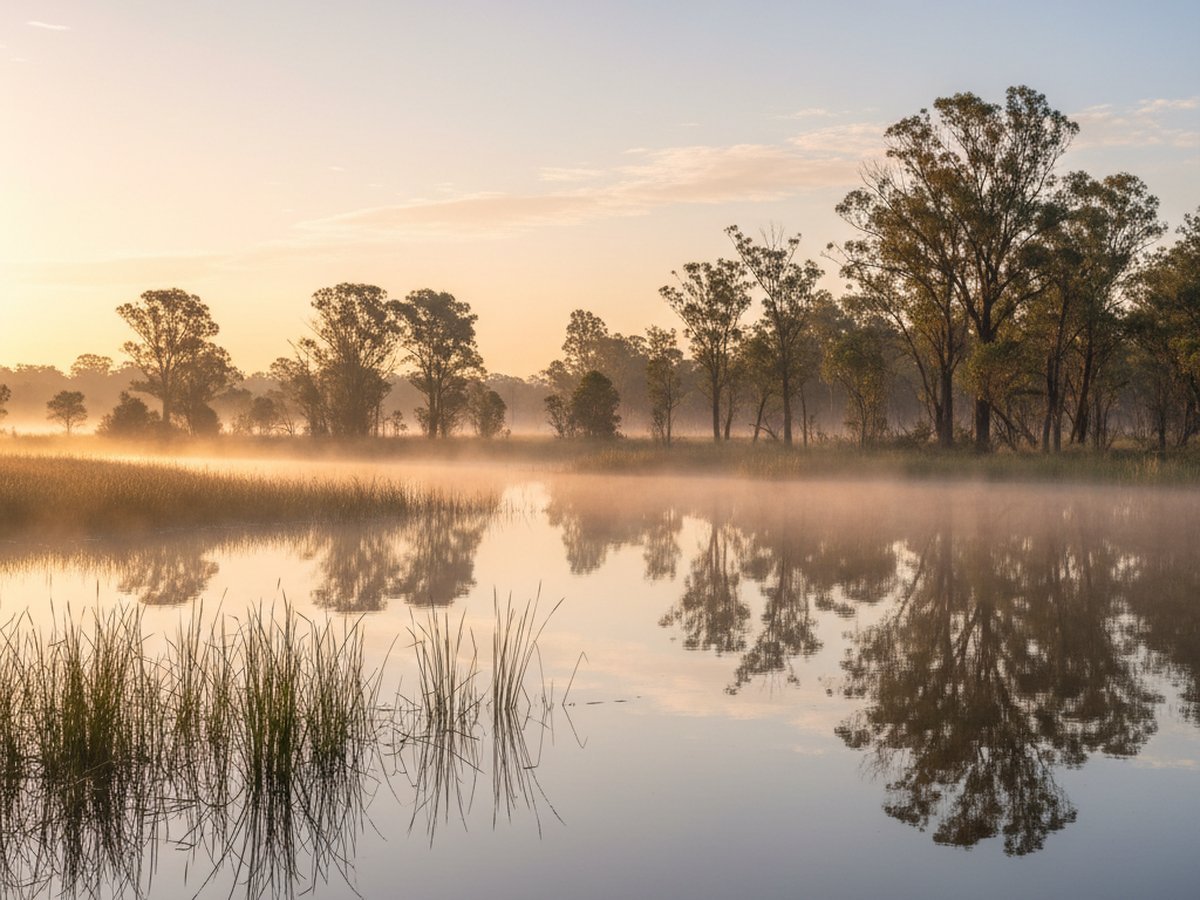
Birdwatching in Australia does not require a national park to begin. A nearby beach, mangrove, park, or patch of bushland can be enough. In general, the fewer people nearby, the better your chances of seeing birds. Wetlands and waterways are especially productive because they attract birds that feed on water plants and insects.
Backyards count too. Birds in Backyards also publishes guidance on making a garden a safe haven for birds and on whether to feed them, so read those pages before you start putting out food. A feeder and a shallow water dish can bring in regular visitors, and watching the same birds over a season teaches you calls and behavior faster than a single long trip. Our guide to backyard birds in New Mexico explains how to work through common yard visitors one species at a time, which is a method you can use anywhere.
Birdwatching in Australia by State
The sites below were suggested by Rohan Clarke, one of the authors of The Compact Australian Bird Guide, as beginner hotspots. Each one lists species you can reasonably look for on a first visit. Birds move with the seasons, and some sites may have access rules, so check current conditions before you go.
Australian Capital Territory: Jerrabomberra Wetlands Nature Reserve
Jerrabomberra Wetlands Nature Reserve, in Canberra, is the suggested starting point for the Australian Capital Territory. Look for a variety of ducks, along with Black-fronted Dotterel, Red-kneed Dotterel, Baillon’s Crake, Spotless Crake, Australian Spotted Crake, and Latham’s Snipe. Baillon’s Crake is found mostly in freshwater wetlands with exposed muddy edges, so scan those margins closely.
New South Wales: Centennial Park, Sydney
Centennial Park in Sydney offers a good mix of woodland and open water. Species to look for include Tawny Frogmouth, Golden-headed Cisticola, Little Grassbird, Hardhead, Pacific Black Duck, Yellow-tailed Black-Cockatoo, Rainbow Lorikeet, Pied Currawong, New Holland Honeyeater, and Superb Fairy-wren. New Holland Honeyeaters are common and turn up in heath, shrubby forest, and gardens, which makes them a reliable first find.
Northern Territory: East Point Reserve, Darwin
East Point Reserve in Darwin is the suggested site for the Northern Territory. Target Rainbow Pitta, Green-backed Gerygone, Beach Stone-curlew, and Rose-crowned Fruit-Dove. The Rainbow Pitta is often first detected by the sound of a bird hopping on dry leaf litter. Listen for that rustle before you look for the bird itself.
Queensland: Cairns Esplanade
The Cairns Esplanade is the recommended stop for Queensland. Look for Beach Stone-curlew, a wide range of shorebirds, Double-eyed Fig-Parrot, Varied Honeyeater, and Mangrove Robin. The Beach Stone-curlew is found in singles or pairs on quiet beaches and nearby tidal flats, so walk the shoreline slowly and keep your distance from any birds that are resting.
South Australia: Adelaide Hills
The Adelaide Hills are the suggested area for South Australia. Species to look for include Adelaide Rosella, Varied Sittella, Bassian Thrush, Crescent Honeyeater, and White-throated Treecreeper. Adelaide Rosellas show variation. The redder subspecies fleurieuensis, the yellower subspecies subadelaidae, and hybrids of the two can all be seen, so do not assume every rosella looks the same.
Tasmania: Waterworks Reserve, Hobart
Waterworks Reserve in Hobart is the recommended site for Tasmania. Look for Tasmanian Morepork, Black-headed Honeyeater, Yellow-throated Honeyeater, Eastern Spinebill, Yellow Wattlebird, Hoary-headed Grebe, and Tasmanian Native-hen. The Yellow Wattlebird is Australia’s largest honeyeater and gets its name from the long, pendulous yellow wattles on its face.
Victoria: Sherbrooke Forest, Greater Melbourne
Sherbrooke Forest, in Greater Melbourne, is the suggested site for Victoria. Look for Superb Lyrebird, Greater Sooty Owl, Rose Robin, Pink Robin, Olive Whistler, Pilotbird, Red-browed Treecreeper, and White-eared Honeyeater. The Superb Lyrebird is a fantastic mimic, and forest visitors often hear its copied calls before they see the bird.
Western Australia: Kings Park, Perth
Kings Park in Perth is the suggested site for Western Australia. Species to look for include White-cheeked Honeyeater, Singing Honeyeater, Western Spinebill, Western Wattlebird, Red Wattlebird, Carnaby’s Black-Cockatoo, Little Corella, Yellow-rumped Thornbill, Inland Thornbill, Weebill, and Western Gerygone. Carnaby’s Black-Cockatoo is found mostly in wheatbelt eucalypt woodland, mallee, heath, and pine plantations in southern Western Australia, so it is worth knowing that habitat when you plan trips beyond the city.
When Is the Best Time to Go?
Birds are usually most active in the early morning and late afternoon. Dawn is often the best time to hear song, and late afternoon can bring birds back to feeding areas. Midday is usually quieter, so use those hours for resting, reviewing your notes, or identifying what you recorded earlier.
Seasons matter too. Many birds breed in spring and early summer, when males sing more often. The national Aussie Bird Count is held in October, and BirdLife Australia asks people to submit counts during that week, so October is a good month to start a count while the birds are active.
How Do You Watch Without Scaring Birds?
The welfare of the birds comes first. The Birds in Backyards bird watcher’s code makes this clear: do not harass or disturb birds, and do not expose them to danger. If a bird flies away or makes repeated alarm calls, leave it alone. Several habits follow from that principle.
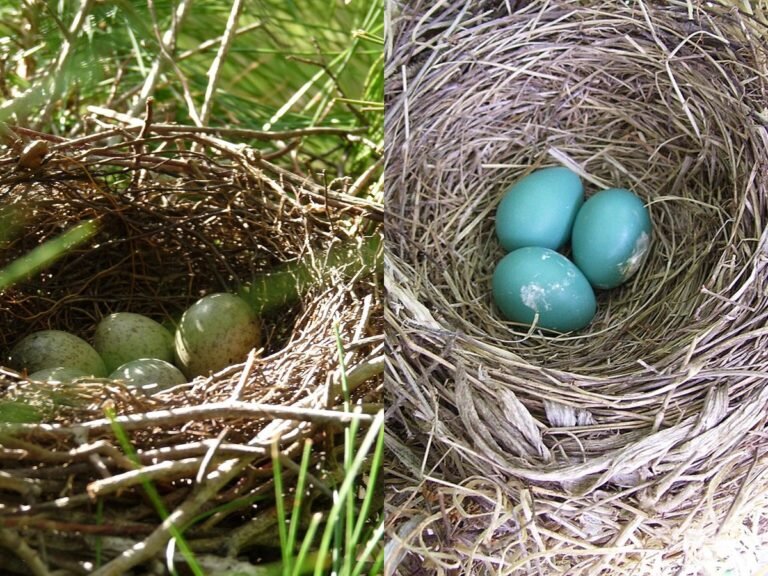
- Keep your distance from nests. If you come across a nest by accident, leave the area as quickly as you can. Take extra care while birds are building a nest, during the first few days of incubation, and when young birds are close to leaving the nest, because disturbance can cause them to abandon it or leave too early.
- Do not use call playback during breeding season. The code allows call playback only under the guidance of a researcher or an experienced birder, for a specific purpose. It should never be used during breeding season.
- Stay on roads, trails, and paths. Where none exist, keep habitat disturbance to a minimum. Do not enter private land without permission.
- Do not handle birds or eggs. Handling requires the appropriate licences. The exception is a sick or injured bird, which should go to wildlife carers or a vet as soon as possible, kept quiet and dark, and held no longer than necessary.
- Dress quietly and move slowly. Muted clothing blends into the scenery. Slow movement and a pause when birds stop feeding help you see more without startling them.
The code also covers people. It asks birders to respect the interests and rights of fellow birdwatchers and of the public, to obey all local, state, and federal laws, and to answer passers-by positively. Each conversation is a chance to share your enthusiasm, which is why the code calls birders ambassadors. Birdwatching in Australia reaches more people that way than any guidebook.
Keep rare sightings in perspective. The code recommends reporting rare birds to the appropriate organisations, but keeping the exact location private to limit disturbance.
Learn the Calls Before You Look
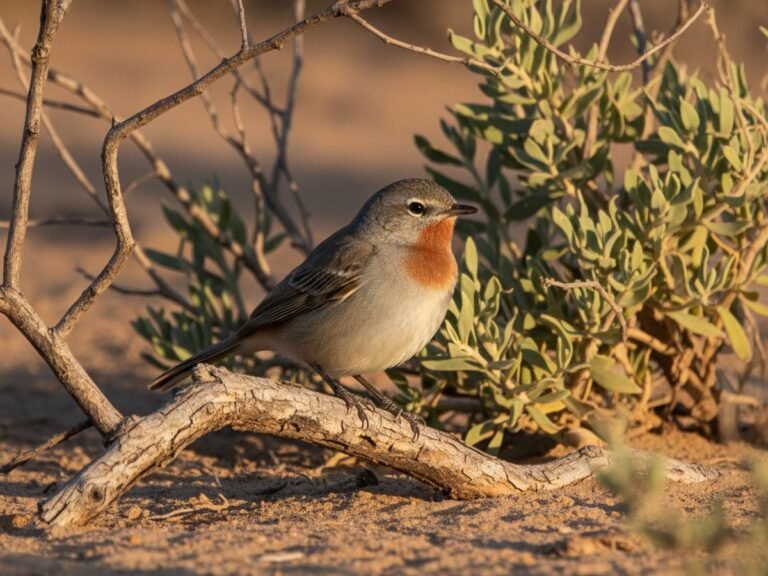
Many birds are heard before they are seen. Spend time learning the calls of species that live near you, and use your app to check them. Some birds copy other species. The Superb Lyrebird is a well-known mimic, and the redthroat can copy the calls of several other birds. Our redthroat guide explains how that mimicry can mislead a beginner, so confirm a sighting before you rely on a song alone.
How Do You Record Sightings and Join a Count?
Keep a simple record of the date, place, and species for each outing. Over time, those notes become a personal life list, which shows your progress and helps you notice seasonal patterns. eBird can store these records for you and makes them available to researchers, which is one of the most useful things a beginner can contribute. eBird is built around checklists: you log what you saw during one outing, and the platform keeps your lists, photos, and recordings, and can show recent sightings near you. eBird says it receives more than 100 million bird sightings a year, which makes it a useful tool for birdwatching in Australia as well as elsewhere.
Birdwatching in Australia also has a citizen science outlet, the Aussie Bird Count, which is an easy way to start contributing right away. BirdLife Australia describes it as a fun, easy way to take a national snapshot of the birds around you. The steps are simple:
- Pick a spot. Count in your favourite outdoor space, such as your backyard, a park, or a school grounds.
- Count for 20 minutes. Note the birds you see and hear during that time.
- Identify with the bird finder. Use the built-in tool if you are unsure of a species.
- Submit your count. You can submit through the app or the web form, and you can count as many times as you want.
BirdLife Australia also notes that one in six Australian birds faces the threat of extinction, which is one reason regular records matter. Even a short count from your own yard adds to a national picture.
Join a Local Birding Group
Local birding clubs are one of the best ways to improve your birdwatching in Australia. Experienced members can point out species and sites you would otherwise miss, and many groups run beginner outings. Australian groups, including BirdLife Australia, can help you find clubs in your area. Clubs also teach ethics in the field, which is hard to learn from a book alone.
Shorebirds: Australia’s Wading Visitors
Shorebirds, also called waders, are one of the most rewarding groups to watch in birdwatching in Australia. They are found mainly along beaches, estuaries, rock platforms, and wetlands, and they often gather in large flocks. Most feed on invertebrates taken from mud and other soft ground, so the tidal flats at low tide are often the best place to look.
OzCoasts reports that Australia has at least 76 shorebird species. Common examples include the Pied Oystercatcher, Eastern Curlew, Common Greenshank, Pacific Golden Plover, Red-necked Stint, Black-tailed Godwit, and Curlew Sandpiper.
Many of these birds migrate from the Northern Hemisphere. Some travel halfway around the world to breed in the Arctic tundra of Siberia and Alaska, where the ground is covered in snow during the northern winter. Mudflats provide rich feeding but no nesting sites, because they are covered at high tide. The birds therefore depend on two very different habitats across the year.
Watch the Spring Departure at Roebuck Bay
Broome Bird Observatory, in Western Australia, runs Migration Watch, a seasonal program that monitors the northward departure of tens of thousands of migratory shorebirds from Roebuck Bay. The listed season runs from early March to mid May, with peak migration from mid March to mid April. Sessions run daily from 4 pm to 6 pm on the northern shore of Roebuck Bay, in front of the observatory. Wardens set up scopes along the shoreline, and visitors can help observe, identify, and record the birds. Check the observatory’s current listing before you travel, because event dates can change.
Next Steps for Birdwatching in Australia
Once you are comfortable with a local spot, CSIRO’s guide lists sites for keen birders to try next: Mulligans Flat Nature Reserve in the Australian Capital Territory, Barren Grounds in New South Wales, Kakadu National Park in the Northern Territory, Iron Range on Cape York in Queensland, Gluepot Reserve in South Australia, Bruny Island in Tasmania, Western Treatment Plant in Victoria, and Broome Bird Observatory in Western Australia. Plan longer trips to these places when you can, and check each site’s access rules and seasonal conditions first.
Frequently Asked Questions
Is birdwatching in Australia expensive to start?
No. A field guide and binoculars are the main costs. A free app, local parks, and your own backyard cost nothing to use.
Do you need to travel to see birds?
No. Birdwatching in Australia works well from local bushland, parks, wetlands, and backyards, which can all hold many species. Travel becomes useful later, when you want to see birds that live only in certain regions.
What is the best time to start?
Start in the early morning or late afternoon, when birds are most active. Begin with a single familiar spot and return to it often.
What should I do if I find a nest?
Leave the area as quickly as you can, and keep your distance. Avoid lingering or returning to check on the nest, because repeated visits can draw attention to it.
Do I need a licence to watch birds?
The Birds in Backyards code says licences are needed to handle birds or eggs. It does not describe a licence for watching birds from a distance, but local rules still apply, so check the requirements for the park or reserve you plan to visit.