How to keep hawks away from chickens comes down to physical protection first. Extension guidance from the University of Maryland and North Carolina State University focuses on covering the run, keeping birds inside during the most dangerous hours, and making the yard less attractive to predators. No single trick is enough on its own, and hawks are only one of several predators a flock faces.
Why Hawks Target Chickens
NC State Extension columns describe hawks as a local predator and note that the coop has to be secure. Free-ranging makes protection harder, because the birds are exposed for longer periods. The University of Maryland guide treats flying predators as a separate risk from ground predators, which means a fence alone is not enough.
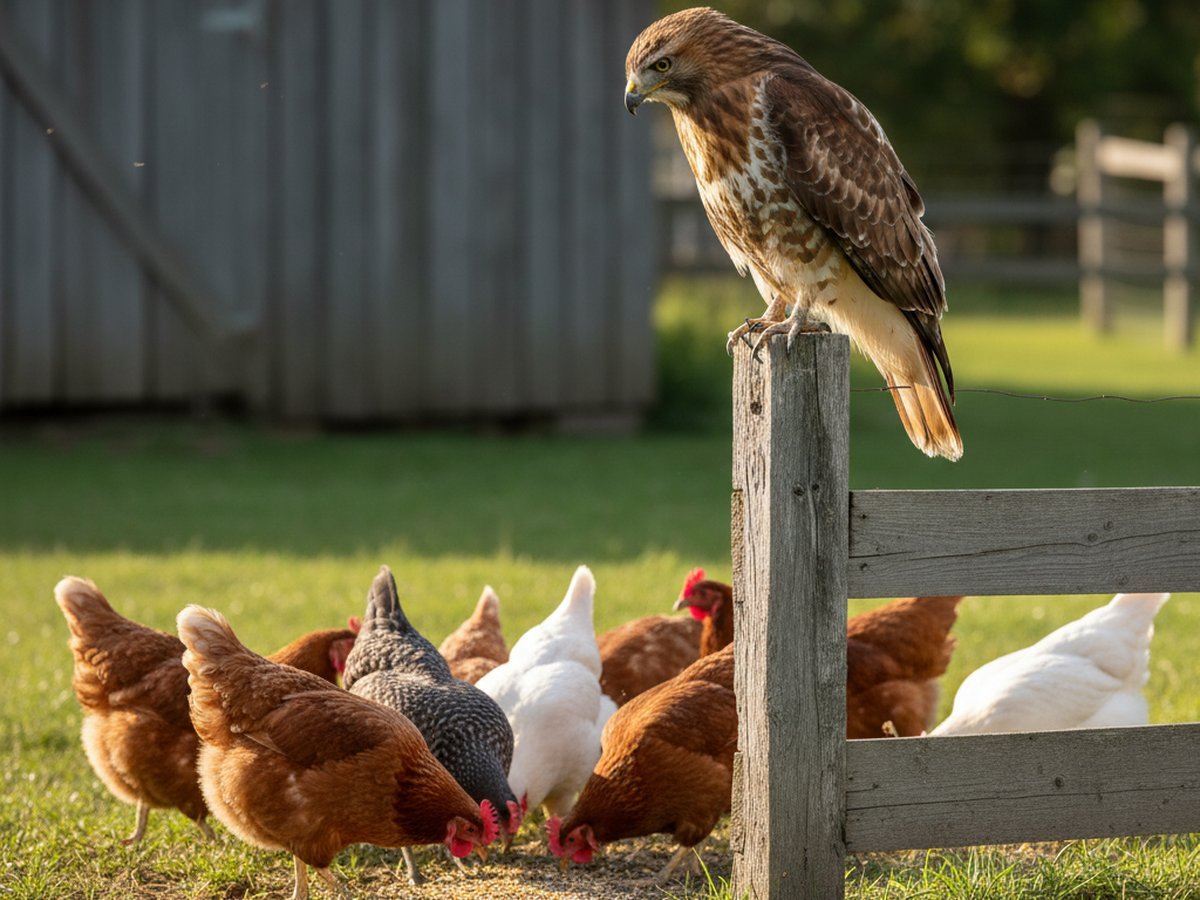
Hawks hunt by surprise from above, so open ground with no overhead cover leaves a flock exposed. For background on what hawks eat and how they hunt, see our guide to what hawks eat, and our article on what eats a hawk covers the other side of the food chain.
Cover the Run With Mesh or Netting
The most direct protection is a cover over the outdoor run. The Maryland guide advises covering outside runs with mesh wire or netting to prevent problems from flying predators. If hawks and owls are a serious problem, it recommends covering the run with hawk netting.
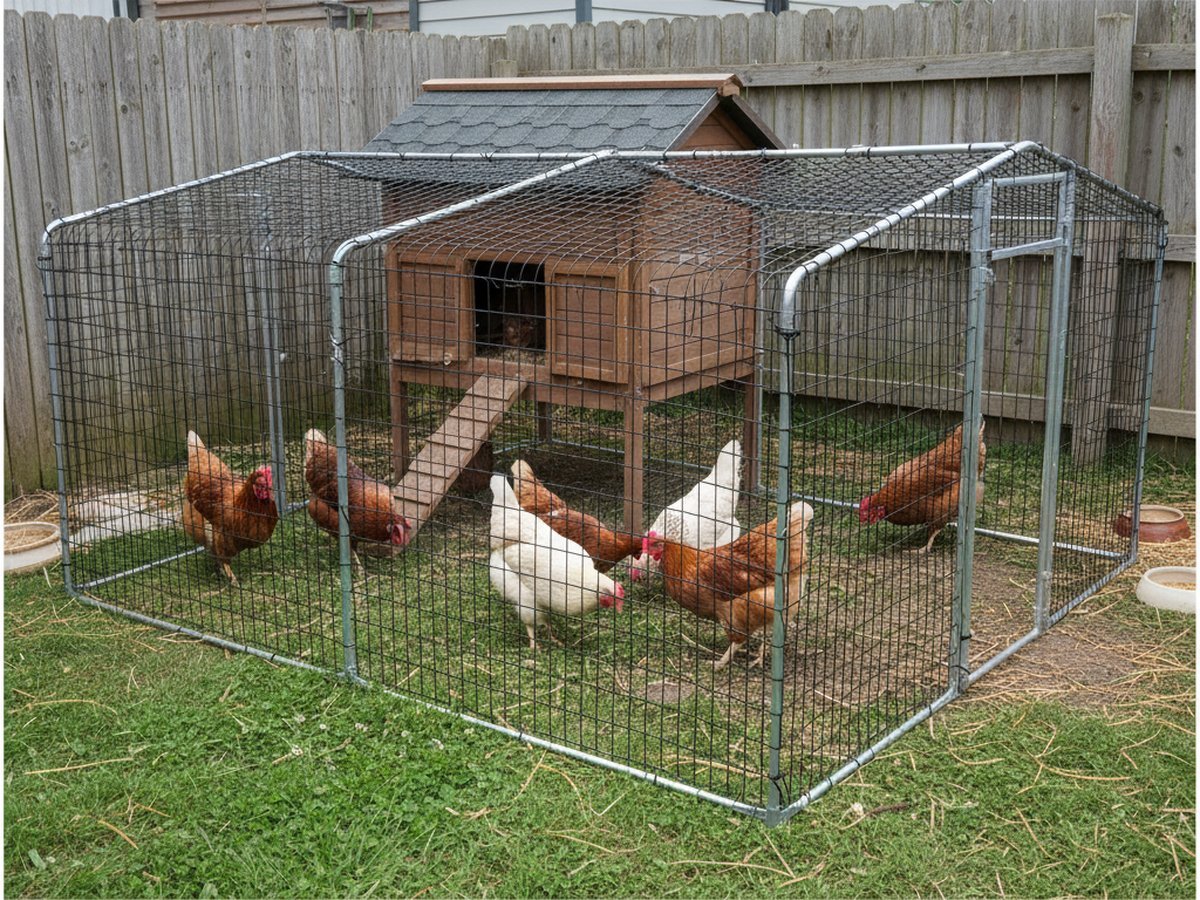
Mesh size matters. The guide says fence wire should be small enough to keep predators out, and open poultry houses should be enclosed with fine mesh to keep wild birds from entering.
Loose mesh can create its own problem. The guide describes birds of prey scaring birds so they jump or fly up, which can push their heads through loose meshing. The guide also links loose mesh pens to head losses caused by birds of prey and raccoons. Choose netting or wire that is tight, and check it for sagging or gaps after storms and heavy snow.
Keep Flocks Inside, Especially at Night
The Maryland guide calls keeping flocks within buildings the easiest way to prevent predation. Its risk table lists night as the highest-risk period for free-range birds. Owls, which the guide notes take birds during the night, are a reason to close birds in before dark.
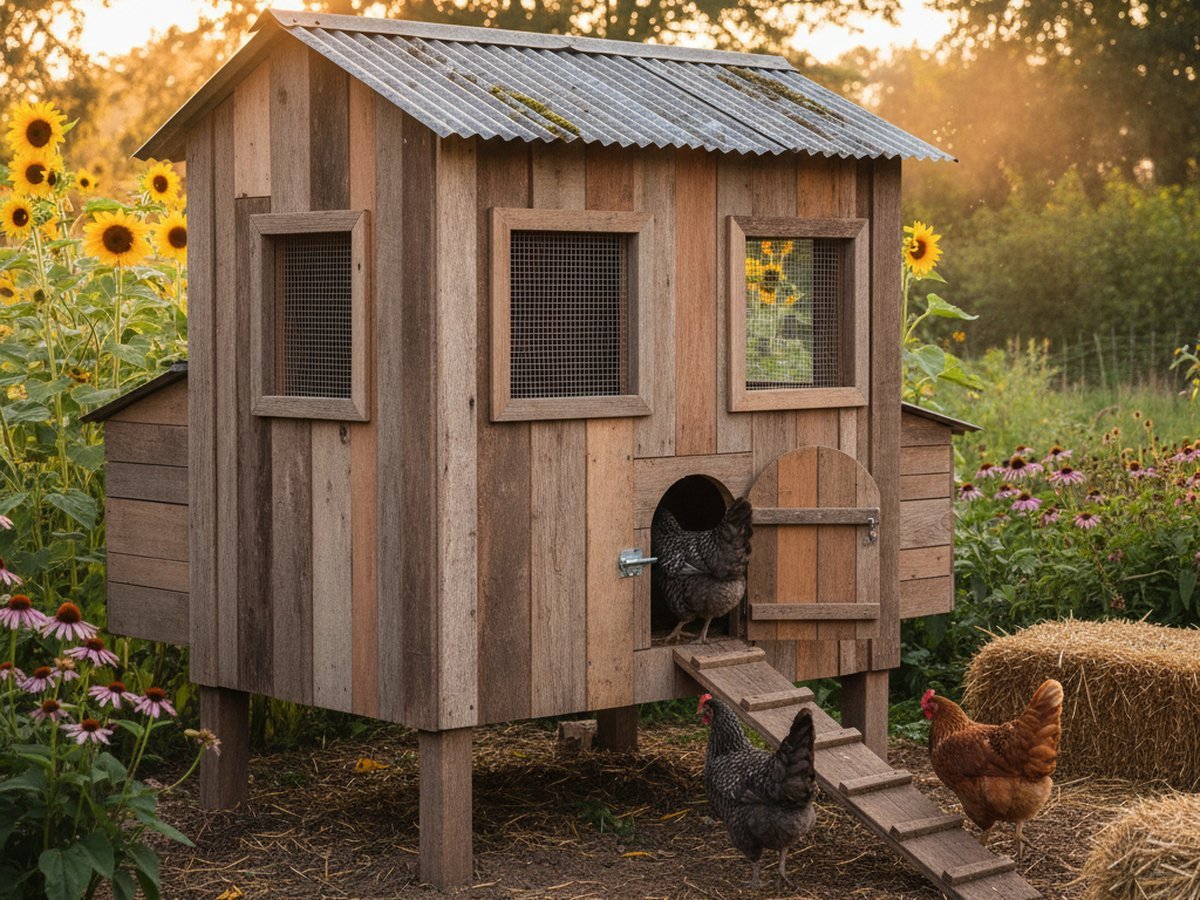
A closed coop works only if the building is secure too. Check around windows and doors, and close any point of entry large enough for a predator to get through. The guide also advises keeping compost piles far from the coop and clearing away food scraps the chickens don’t eat before nightfall, since food attracts the animals that prey on birds.
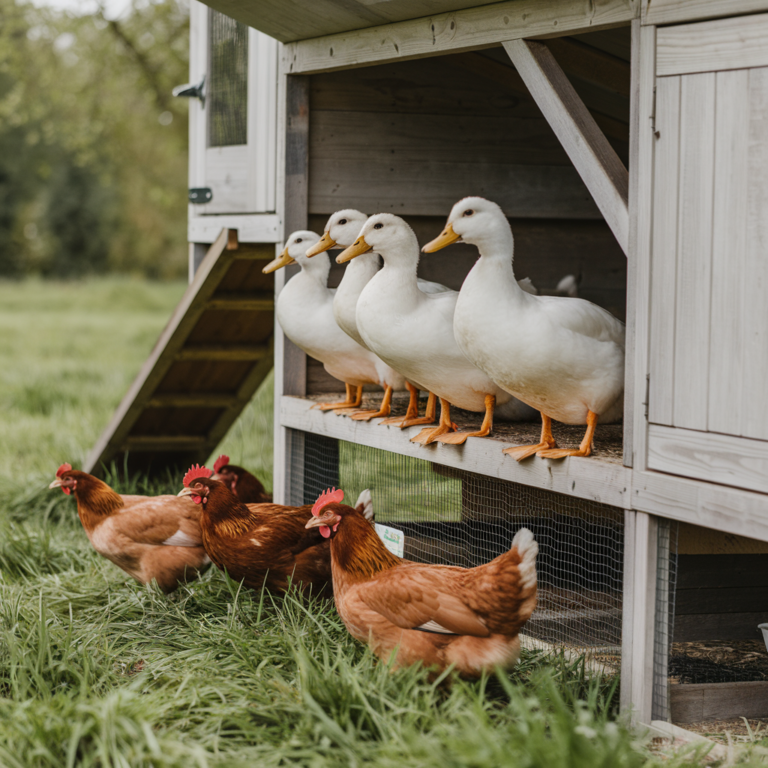
Mixed flocks need the same planning. If you keep ducks and chickens together, housing and run layout should protect both species, and our guide to whether ducks and chickens can live together covers the basics.
Use Long, Narrow, Zig-Zag Runs in Pasture
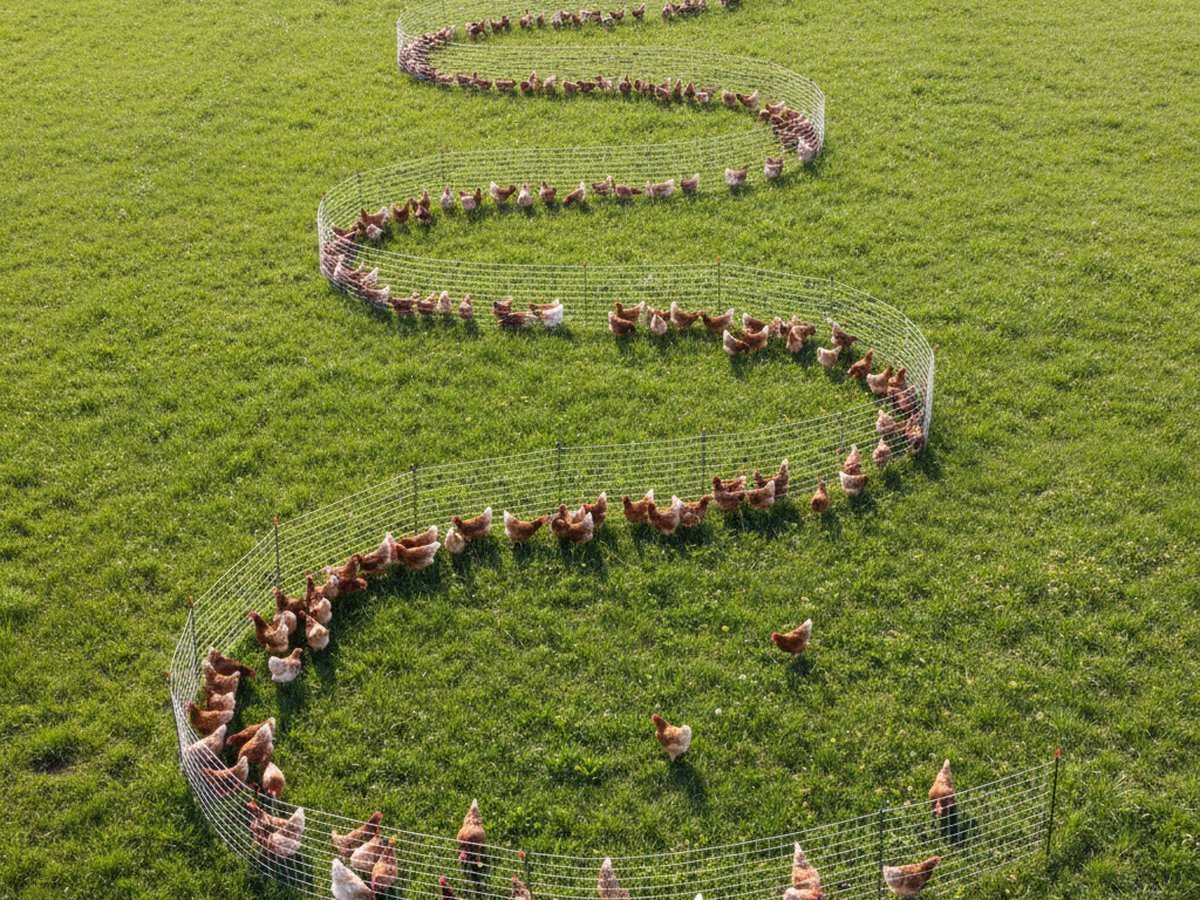
When chickens graze in pasture, the Maryland guide suggests long, narrow, zig-zagged runs and rotational grazing areas. Narrow runs keep the flock close to fencing and cover, rather than spread across open ground where a hawk can approach from above. Rotating the grazing areas also keeps birds from wearing down the same cover over time.
Clear the Ground Around the Coop
The guide recommends keeping the area around the coop mowed and clear, because an open field without cover is a deterrent to predators. It also notes that tall leafy vegetation gives birds a place to hide. Plan your plantings around both points: keep the area near the coop open, and place any cover where the flock can reach it safely.
Motion, Sound, and Visual Deterrents
The Maryland guide lists several deterrents that homeowners commonly try:
- Objects with motion, such as flags, pinwheels, and CDs hung on thin wire.
- Motion-sensor lights and sound equipment or loud noises.
- Scarecrows and dummy predator birds.
- Chemical or pheromone repellents.
- Diversion feeding, which means offering food away from the flock to draw predators elsewhere.
The guide lists these as options. The sources I checked do not give tested results showing that they reliably keep hawks away, so treat them as a supplement to netting and closed runs, not a replacement.
Dogs and Other Animals
The Maryland guide says a protective dog near the coop usually works to discourage predators and unwanted visitors. It also cautions that using dogs and especially cats to scare off predators can create more problems, because they can interact with wildlife and spread disease to poultry. A dog that is trained to stay near the flock is different from a free-roaming pet that chases wildlife.
Ground Predators Also Threaten Flocks
Hawks are not the only threat. The Maryland guide describes several ground predators and the damage each one causes:
- Foxes: carry off adults, chicks, or eggs. Look for footprints, and keep foxes out with electrified poultry netting.
- Raccoons: reach through openings, grab birds through wire, and can pull the legs off birds in mesh-style pens.
- Opossums and skunks: prey at night, often taking eggs or chicks.
- Rats: can carry away day-old chicks and bite older birds in the hock joint, which can cause swelling and infection.
- Weasels: bite at the vent region and kill for fun, leaving scattered feathers with bloody or torn carcasses.
- Snakes: target eggs and young chicks, swallow their meal whole, and leave very little evidence behind.
Each predator leaves a different trail, which is why the attack signs matter. A flock that has lost birds to a fox needs different protection from one that has lost birds to a snake.
Build a Coop That Blocks Ground Predators
Ground predators are best stopped at the coop itself. The Maryland guide makes several practical recommendations:
- Dig a trench around the entire coop and bury hardware cloth in it, to a depth of about 12 inches.
- Elevate the coop off the ground to help keep mice, rats, and weasels out.
- Check around windows and doors, and close any point of entry large enough for a predator to get through.
- Limit gaps where chickens roost. The guide flags gaps larger than 1/4 inch where chickens roost as a snake risk.
- Keep compost away from the coop, and clear food scraps before nightfall.
Ask local wildlife authorities for advice if predators are a persistent problem. They know which animals are active in your area and what is legal to do about them.
Read the Signs of a Predator Attack
The pattern of a loss can point to the animal responsible. The Maryland guide lists several common signs:
- Missing heads: usually birds of prey or raccoons, especially in pens made from loose mesh.
- Missing eggs or chicks: opossums, skunks, rats, cats, snakes, and birds of prey.
- Scattered feathers: may come from panicked birds, or from weasels leaving carcasses behind.
- A carcass near the site of attack: domestic dogs will not eat the birds, so a carcass found close to where the attack happened may point to another predator.
- Piled or smothered birds: can indicate potential predation. Turkeys huddling in a corner, for example, can suffocate and crush the birds below them.
- Fox footprints: near the coop or run point to foxes as the likely cause.
Use these signs to match your protection to the threat. Netting stops flying predators, a trench and hardware cloth stop digging predators, and a tight coop stops animals that squeeze through small openings.
A Practical Checklist for Keeping Hawks Away From Chickens
- Close the flock inside the coop before dark.
- Cover the outdoor run with tight netting or mesh, and check it after storms.
- Close any gaps around the coop, windows, and doors that a predator could use.
- Dig a trench around the coop and bury hardware cloth in it.
- In pasture, use long, narrow, zig-zag runs and rotate the grazing areas.
- Keep the ground around the coop mowed and clear of tall cover.
- Check the flock daily for missing birds and read the signs of any attack.
Frequently Asked Questions
Will a scarecrow keep hawks away from chickens?
The Maryland guide lists scarecrows and dummy predator birds as one option, but the sources I checked do not show that they reliably keep hawks away. A covered run is the more dependable choice.
Do owls attack chickens?
The Maryland guide notes that owls will take birds during the night. Closing the flock inside before dark is the most direct protection against night-time predators.
What predator takes chickens without leaving much behind?
The Maryland guide says snakes swallow their meal whole and leave very little evidence, and they mainly target eggs and young chicks. Limit gaps where chickens roost, and check nesting areas for missing eggs.